
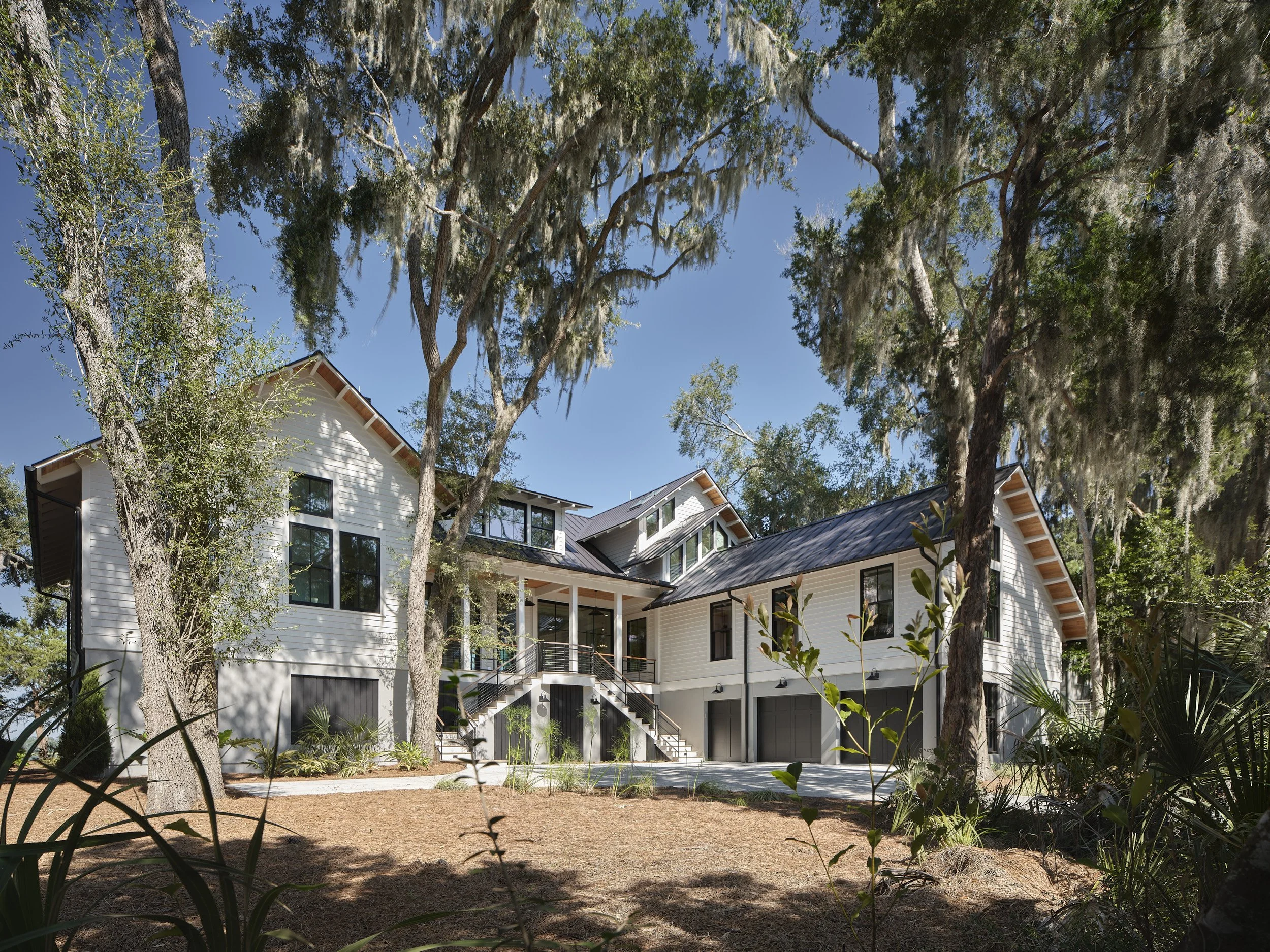
Net Zero in the Lowcountry: What Does It Take?
Net zero gets sold as a solar panel count, but the real work happens before generation ever enters the conversation. Here's why the envelope, orientation, and mechanical systems have to be right first, and what that looks like in a working Lowcountry home.
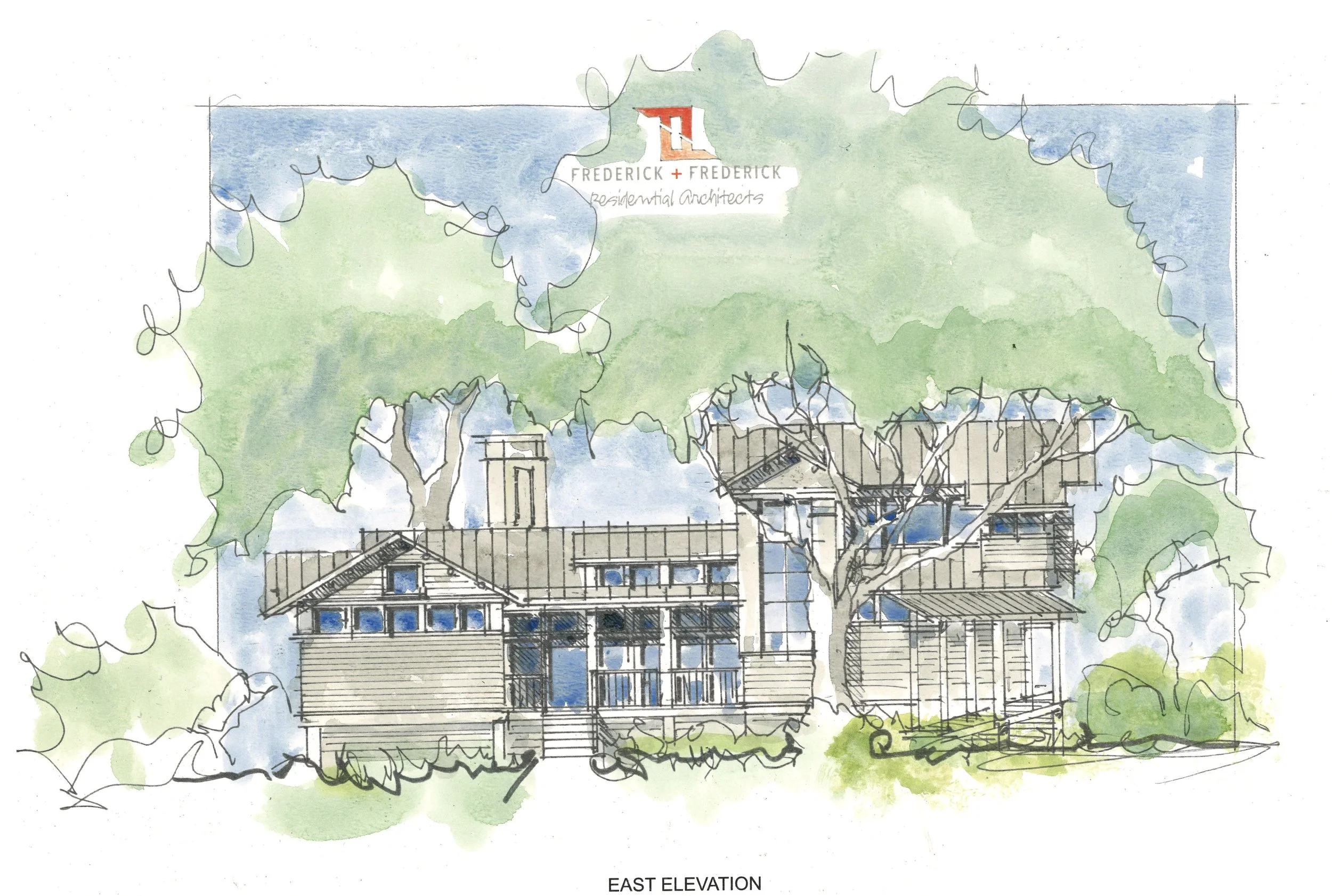
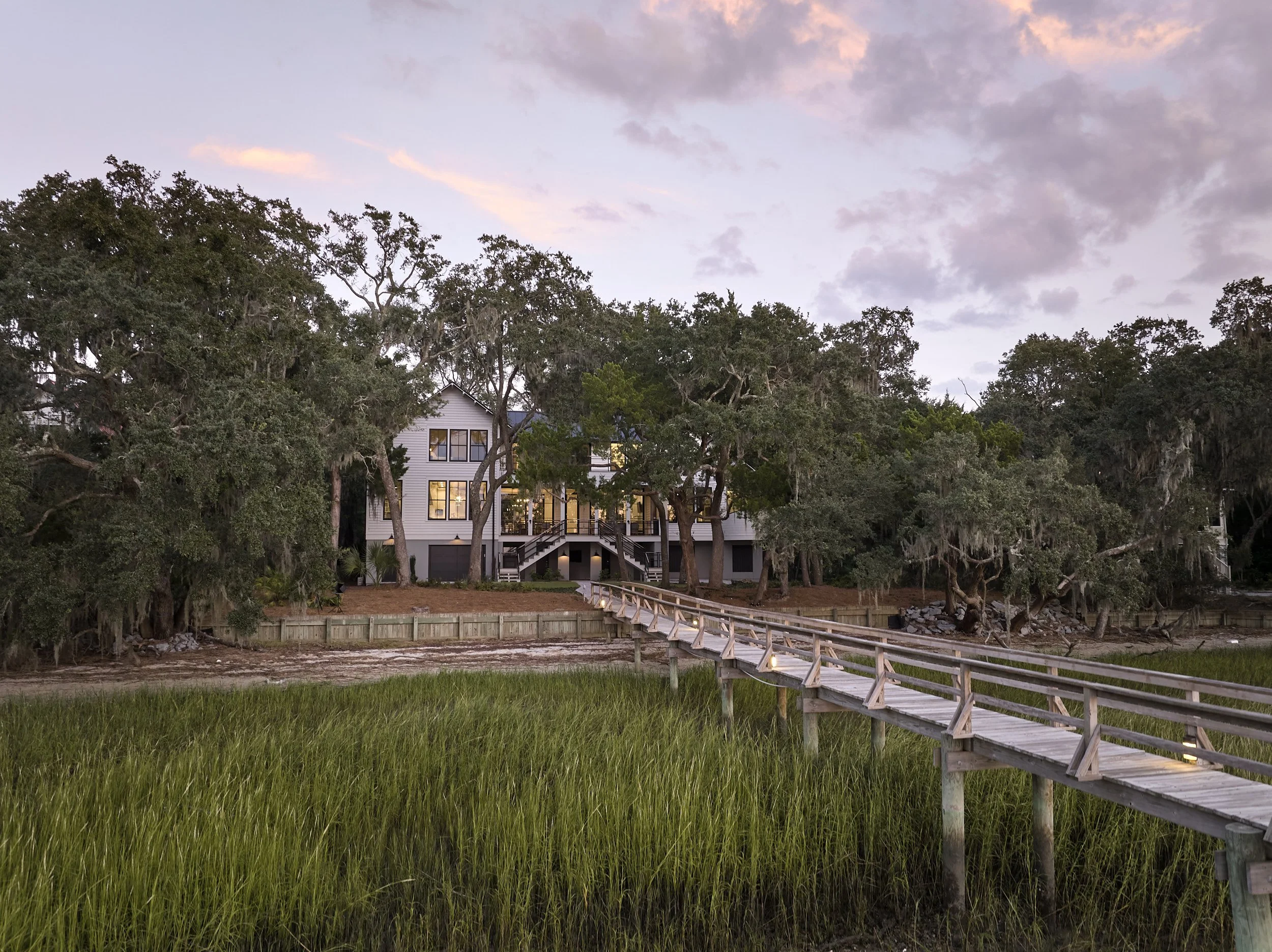
How to Choose the Right Architect for Your Lowcountry Home
Building a custom home on the South Carolina coast is one of the most significant investments of your life — and the architect you choose shapes everything that follows. This guide from Frederick + Frederick Architects covers what to look for beyond the portfolio: climate expertise, construction administration, credentials that actually signal depth, and the questions worth asking in every interview. Written for those building or retiring to Beaufort, Bluffton, Hilton Head, or the Sea Islands. | Lowcountry architecture | custom home design | coastal South Carolina | retirement home planning


Rooftop Solar in South Carolina: The Case for Energy Independence
The conversation around rooftop solar has shifted. Without federal tax credits sweetening the deal, homeowners are asking a more fundamental question: why go solar? For us in coastal South Carolina, the answer has always been bigger than a tax break, it's about taking control of your own energy future.

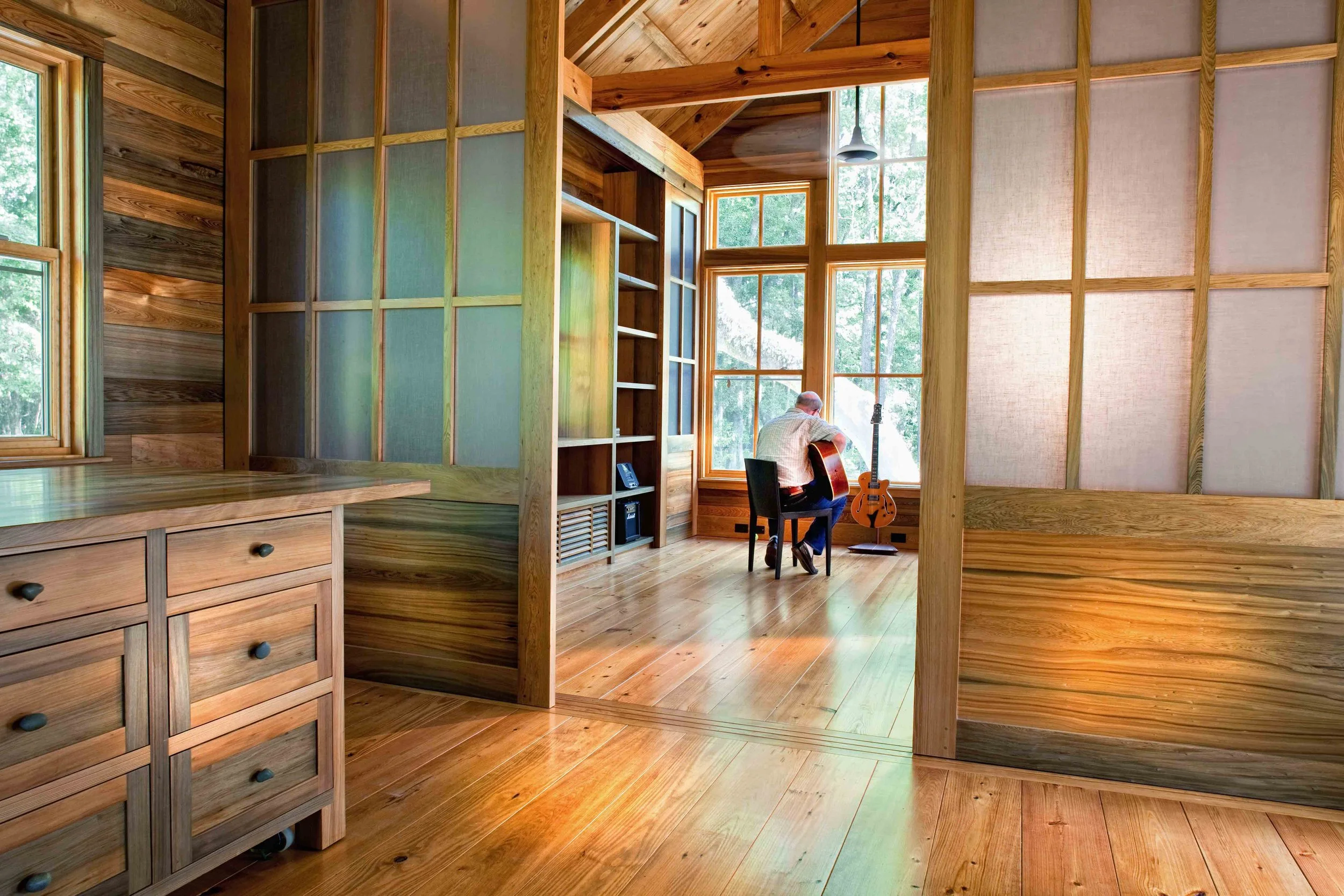
How to Evaluate a Coastal Lot Before You Buy
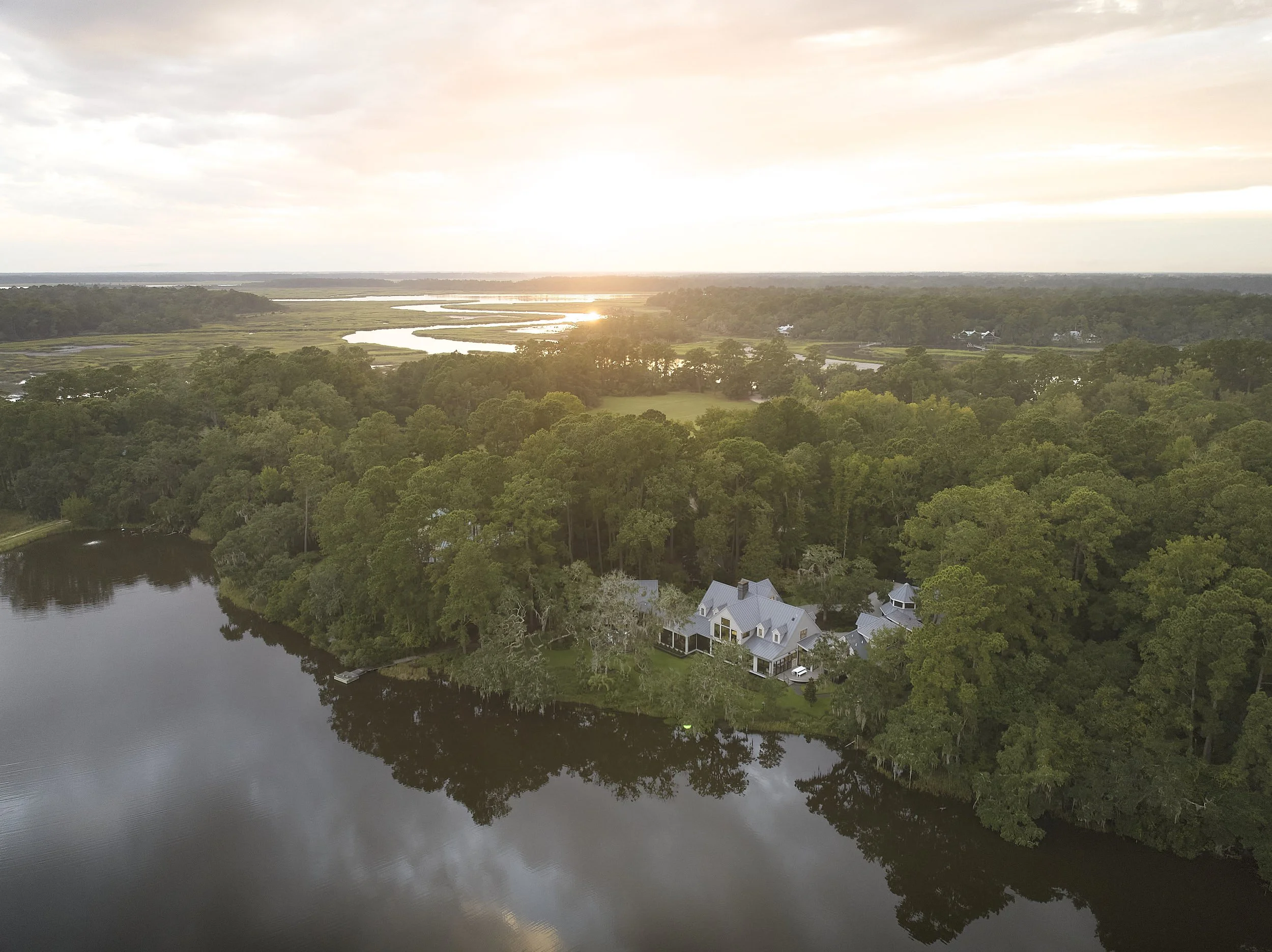
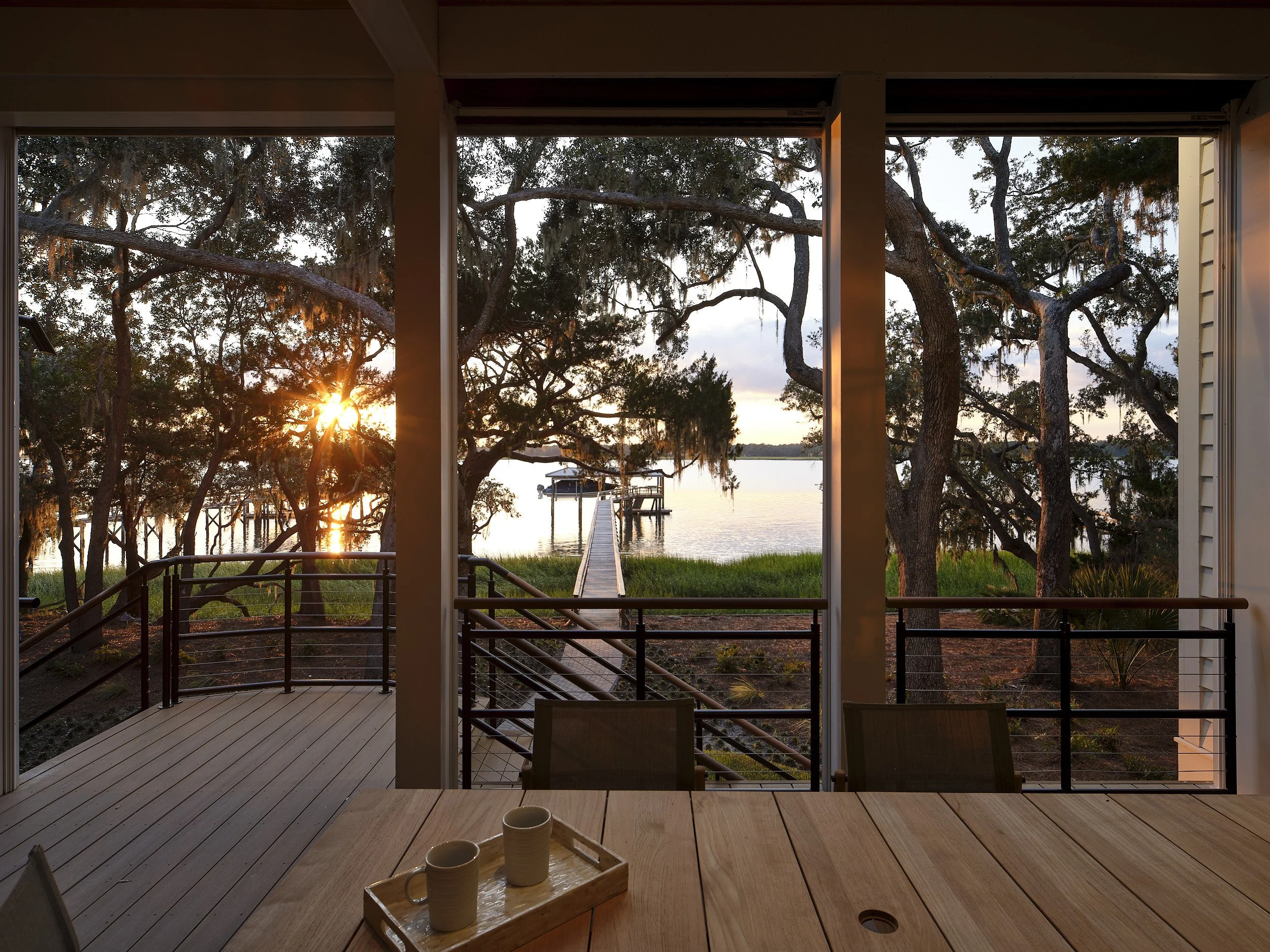
If you are planning to build a custom home in the South Carolina Lowcountry, choosing the right lot is the single most consequential decision you will make. The landscape here is unlike anywhere else: tidal creeks winding through ancient marsh grass, live oaks draped in Spanish moss, and water views that shift with the light and the tide. For many buyers, finding the right piece of land feels like the beginning of something they have been planning for years.

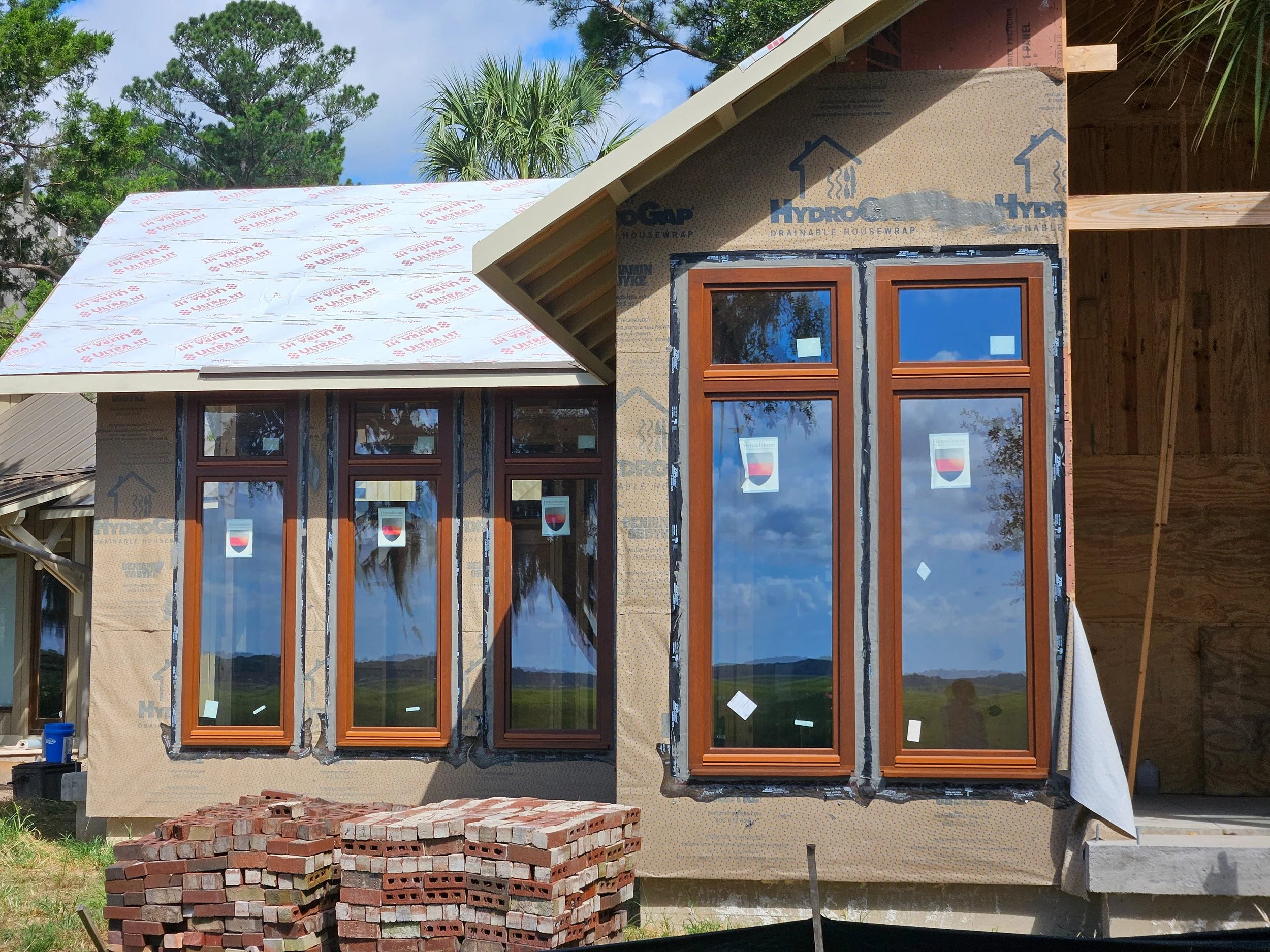
Is Building to Code Good Enough?
I write often about building science because our industry repeats myths that sound reassuring but do not hold up in practice. One of the most persistent is this: if a house meets code, it must be good enough.
It is not.
Building codes establish the legal minimum, not the level required for comfort, durability, or resilience. This gap is especially risky in hot, humid, storm-prone regions like the Southeast.
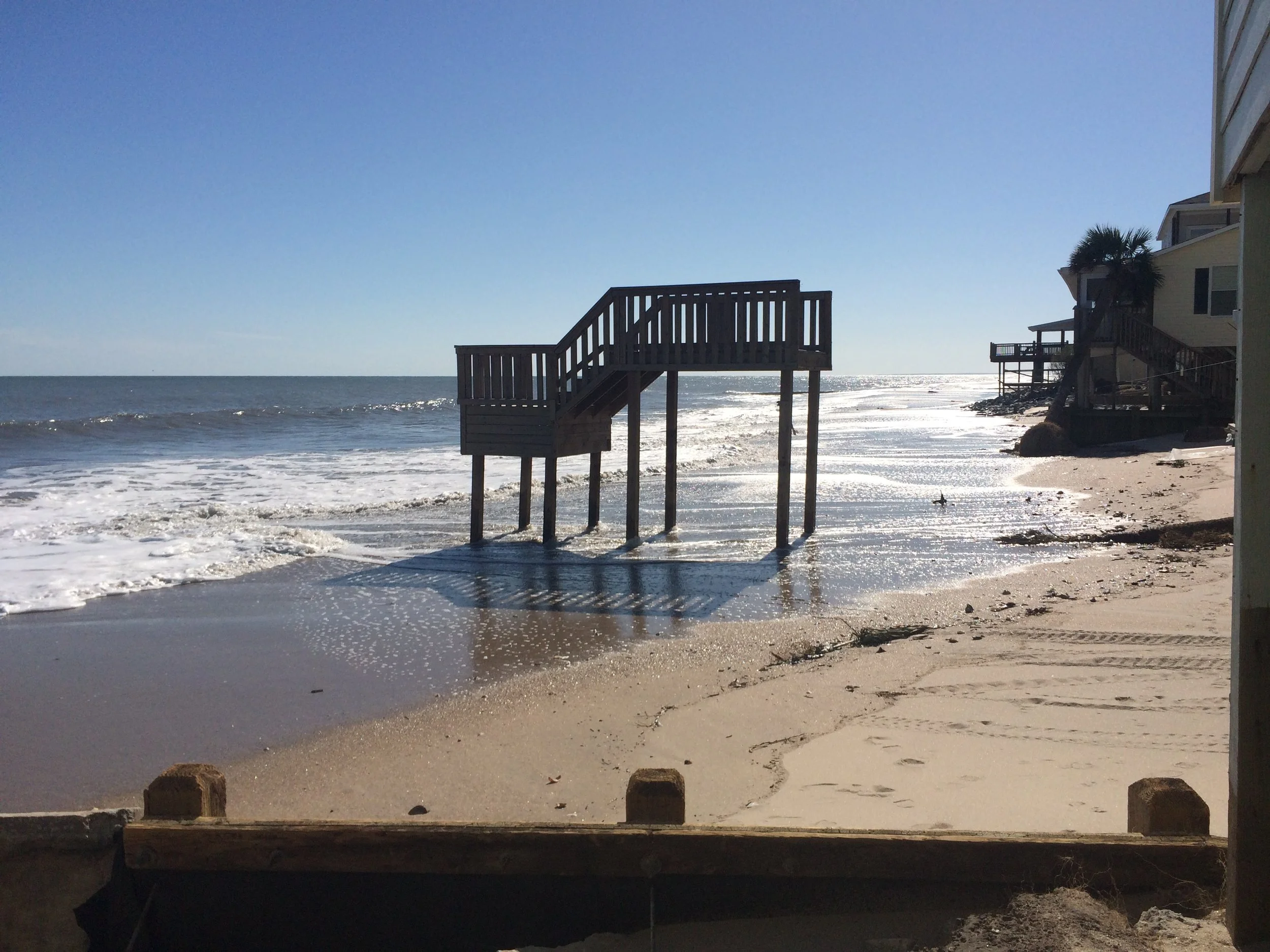
FORTIFIED for the Coast
Advances in building science now offer a clear path to stronger coastal homes through the FORTIFIED™ Home program developed by the Insurance Institute for Business & Home Safety. In hurricane-prone regions, FORTIFIED certification is quickly becoming the gold standard.
For homeowners, it delivers confidence and peace of mind. For architects, it provides a proven roadmap for creating homes that are not only beautiful but also durable enough to withstand the realities of coastal living.
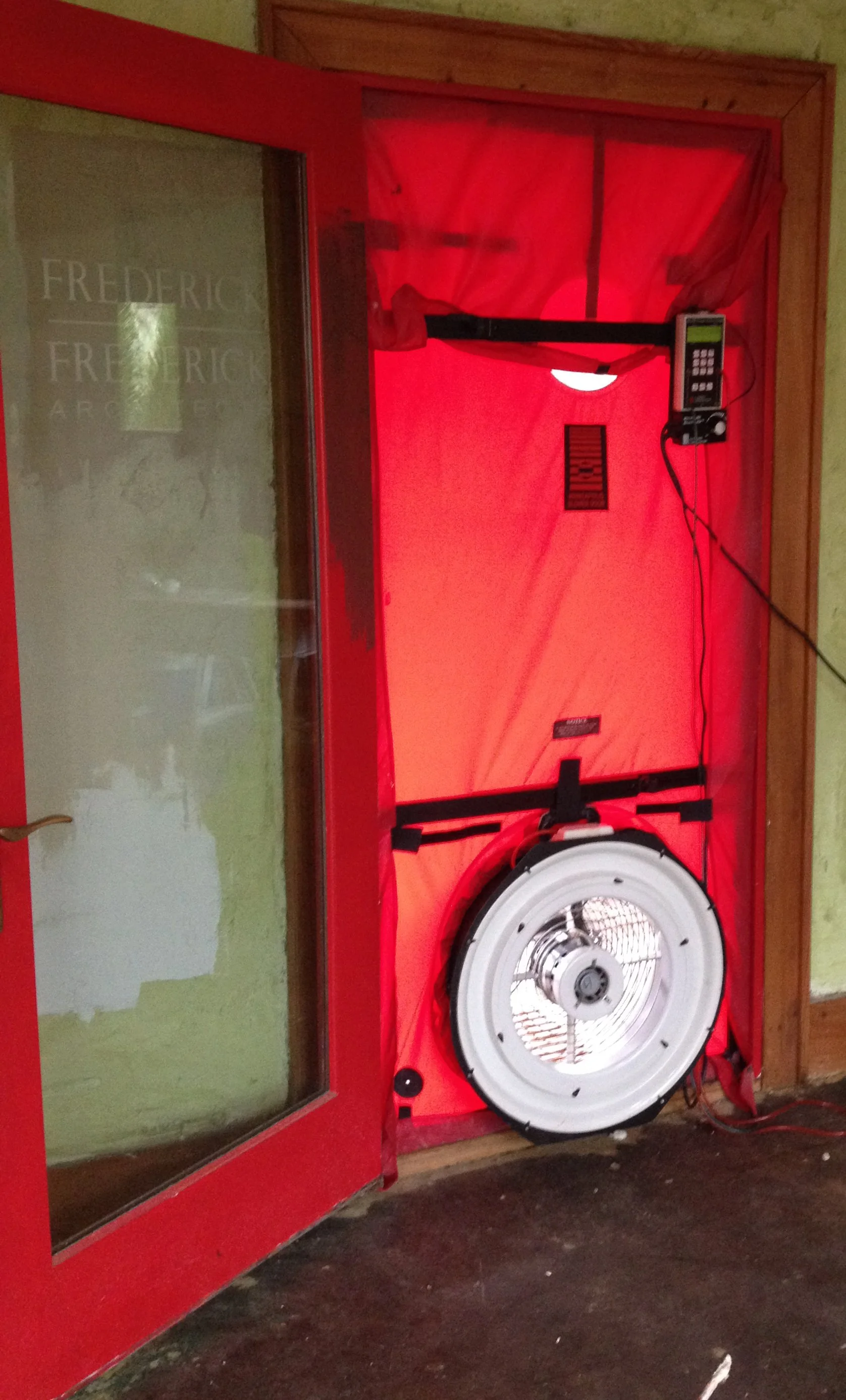
Why "House Burping" Is Not the Indoor Air Quality Solution We’ve Been Waiting For
If you’ve been on TikTok or Instagram lately, you’ve probably seen the latest home wellness trend: “house burping.” The advice is simple. Open your windows for five minutes several times a day to “air out” your house and improve indoor air quality.
It sounds harmless. Even sensible. The idea has gained so much traction that NPR and The New York Times have covered it.
As an architect who designs houses for hot, humid climates, I’ll say this plainly:
For most homes, in most climates, this is bad advice.

Book Tour
Southern vernacular architecture is rooted in pragmatism: its forms, materials, and spatial logic evolve from climate, landscape, and way of life. In our coastal Lowcountry, traditions like raised piers, deep porches, narrow floorplates, and cross‑ventilation were not aesthetic afterthoughts; they were essential strategies for comfort and resilience.

Modern Takes on Southern Vernacular: A Fresh Voice for Lowcountry Living
Southern vernacular architecture is rooted in pragmatism: its forms, materials, and spatial logic evolve from climate, landscape, and way of life. In our coastal Lowcountry, traditions like raised piers, deep porches, narrow floorplates, and cross‑ventilation were not aesthetic afterthoughts; they were essential strategies for comfort and resilience.

Designing to Withstand Storms: How Research, Best Practices, and FORTIFIED Standards Shape Resilient Homes
Living and building near the coast means confronting storms mightily. The goal isn’t merely survival, but resilience: limiting damage, reducing downtime, and enabling faster recovery.

Designing Homes for Hot, Humid Climates: Comfort, Resilience, and Beauty
Designing for hot, humid climates is a holistic process. It combines the laws of physics with client-centered design, tradition with innovation, and beauty with durability. The result is a home that feels right in every sense. It is cool, comfortable, resilient, and undeniably Lowcountry.

Forbes Best in State Residential Architects 2025
Frederick + Frederick included on Forbes list of the best architects in South Carolina.