Is Building to Code Good Enough?
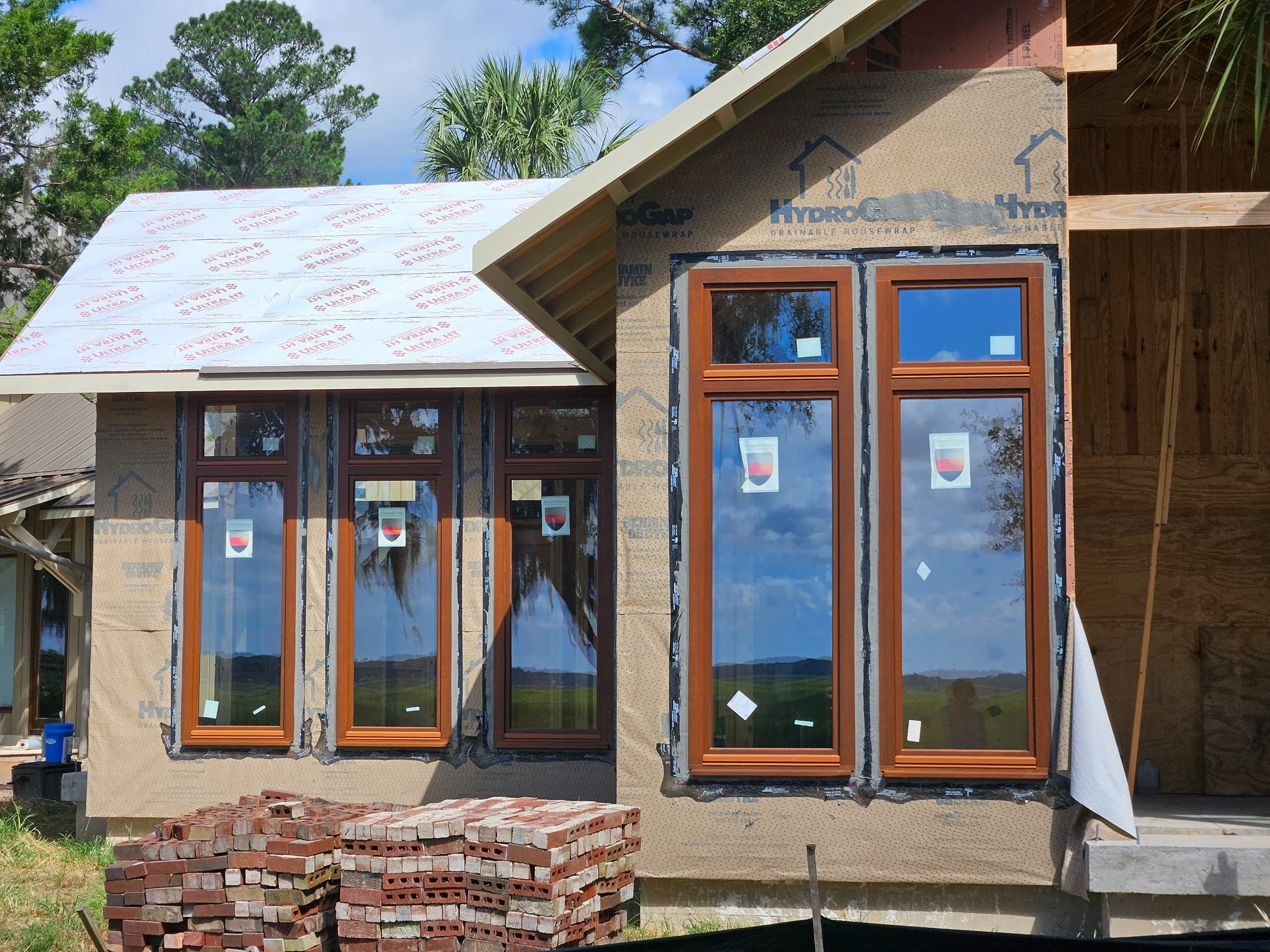
Building To Code Is Not the Same As Building Well
I write often about building science because our industry repeats myths that sound reassuring but do not hold up in practice. One of the most persistent is this: if a house meets code, it must be good enough.
It is not.
Building codes establish the legal minimum, not the level required for comfort, durability, or resilience. This gap is especially risky in hot, humid, storm-prone regions like the Southeast.
Energy Performance
Energy codes can create a false sense of security. A house may pass a blower door test and still leak large amounts of hot, moisture-laden air. In South Carolina, the current energy code dates to 2009. Many states now use far more demanding standards. What is legal here would be considered outdated elsewhere.
Code compliance does not guarantee a comfortable or durable home.
Risk and Resilience
The same misunderstanding appears in hazard protection. Lightning protection, for example, is rarely required even in areas where strikes are common. We have seen homes suffer severe damage within weeks of move-in because owners assumed code compliance meant adequate protection.
Wind resilience shows an even clearer difference. Homes built to the Insurance Institute for Business & Home Safety FORTIFIED standard consistently outperform code-minimum construction during hurricanes. Stronger roofs, better connections, and continuous load paths reduce damage and speed recovery. In many Gulf Coast communities, buyers now expect this level of protection.
Why We Design Beyond Code
The building code is essential, but it is not a design strategy. Meeting code makes a house legal. It does not ensure that the home will perform well over time.
Designing beyond code often includes:
Tighter building envelopes
Balanced ventilation strategies
Stronger wind resistance and structural connections
Lightning protection where risk warrants it
These decisions protect your investment, reduce long-term risk, and deliver the performance homeowners expect.
The code defines what you may build. Good design defines what you should build. In our climate, that difference matters.