FORTIFIED for the Coast

Why FORTIFIED Homes Are the Future of Lowcountry Design
Few places match the beauty and lifestyle of South Carolina’s Lowcountry. Tidal marshes stretch to the horizon, live oaks frame historic streets, and daily life follows the rhythm of the water. This landscape has shaped architecture for generations. Homes feature wide porches, elevated living spaces, and layouts that capture cooling marsh breezes.
The same coastal forces that create this extraordinary setting also demand careful design. Hurricanes, wind-driven rain, storm surge, and persistent humidity place constant stress on buildings along the coast. Architects and homeowners cannot treat resilience as an afterthought. It is essential to build responsibly in this environment.
Advances in building science now offer a clear path to stronger coastal homes through the FORTIFIED™ Home program developed by the Insurance Institute for Business & Home Safety. In hurricane-prone regions, FORTIFIED certification is quickly becoming the gold standard.
For homeowners, it delivers confidence and peace of mind. For architects, it provides a proven roadmap for creating homes that are not only beautiful but also durable enough to withstand the realities of coastal living.

The Science of Coastal Resilience
Long before the FORTIFIED program existed, building scientists studied how structures fail during hurricanes. The ASHRAE Guide for Buildings in Hot and Humid Climates summarizes the priorities for designing buildings in hurricane-prone areas:
Keep the building from blowing away.
Keep wind-driven rain out.
Elevate structures above potential flooding.
Use materials that tolerate moisture.
Design assemblies that can dry when they become wet.
In coastal storms, wind and water work together. When wind compromises a roof or window, rain quickly follows. When moisture becomes trapped in building materials, long-term damage begins.
Traditional Lowcountry architecture instinctively addressed many of these issues. Raised foundations helped mitigate flooding. Deep porches shielded the walls from rain and sun. Ventilation and breezes helped buildings dry after storms.
Today’s homes can build on those traditions while incorporating modern engineering and construction practices, precisely the goal of the FORTIFIED Home program.
-
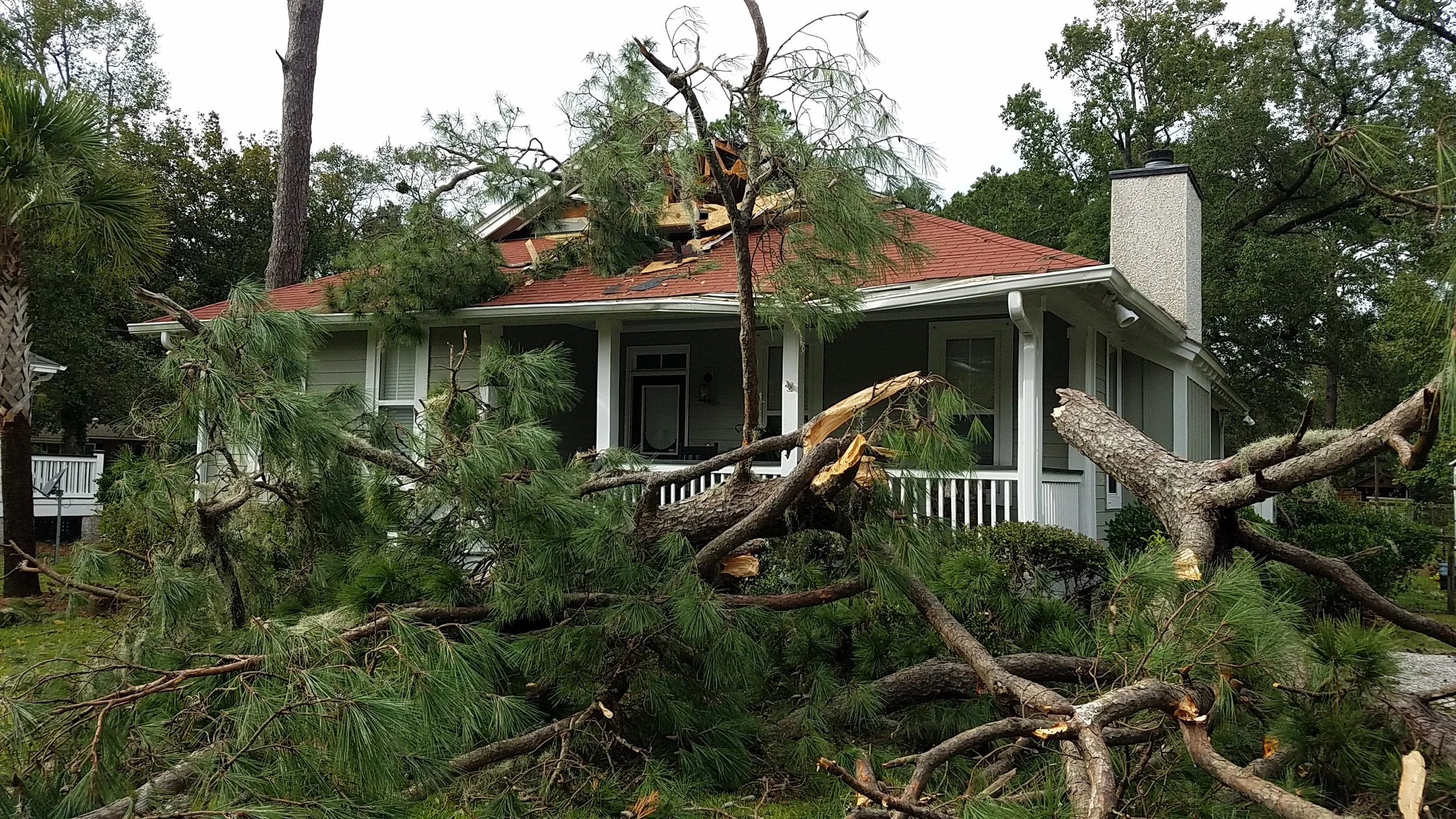
In hurricane-prone regions, the roof is the most vulnerable and most important part of a home’s structure. When a roof fails, wind and rain can enter within minutes and cause extensive interior damage.
The FORTIFIED Roof™ designation strengthens the roof system so it stays intact during severe wind events.
Key improvements include:
• Stronger roof decking, typically at least 7/16-inch plywood or OSB
• Enhanced fastening patterns using ring-shank nails spaced more closely together
• A sealed roof deck, often created with a self-adhering waterproof membrane
• Properly installed drip edges that limit water intrusion
• High-wind-rated roofing materials installed according to manufacturer specificationsFor many homeowners, the most practical time to pursue FORTIFIED certification is during a routine roof replacement. Upgrading the fastening pattern and sealing the roof deck during re-roofing can dramatically improve storm resilience at a relatively modest additional cost.
-
Once the roof is strengthened, windows, doors, and other openings become the next major vulnerability.
During hurricanes, wind pressure and airborne debris can shatter glass or force doors open. When openings fail, internal air pressure rises rapidly and places severe stress on the roof and walls.
The FORTIFIED Silver™ level reduces this risk by requiring:
• Impact- and pressure-rated windows and doors, or
• Approved opening protection systems such as hurricane shutters or removable panelsThe program also requires secure connections for attached structures such as porches, decks, and carports. Proper fastening helps prevent these elements from lifting, shifting, or detaching in high winds.
This step is especially important in the Lowcountry, where outdoor living spaces are central to daily life. Screened porches, piazzas, and covered decks are not accessories. They are integral parts of residential design and must perform as safely as the enclosed portions of the home.
-
The FORTIFIED Gold™ designation represents the highest level of structural resilience. At this level, the goal is to ensure the entire house performs as a unified structural system.
Builders use specialized connectors and reinforcements to tie together:
• Roof framing to walls
• Walls to floors
• Floors to the foundationIt is essential to strengthen gable-end walls, which often fail during hurricanes, and securely anchor vertical elements such as chimneys to reduce the risk of collapse.
These continuous connections allow wind forces to move safely through the structure instead of concentrating at weak points that can trigger catastrophic failure.
Resilience Beyond the House
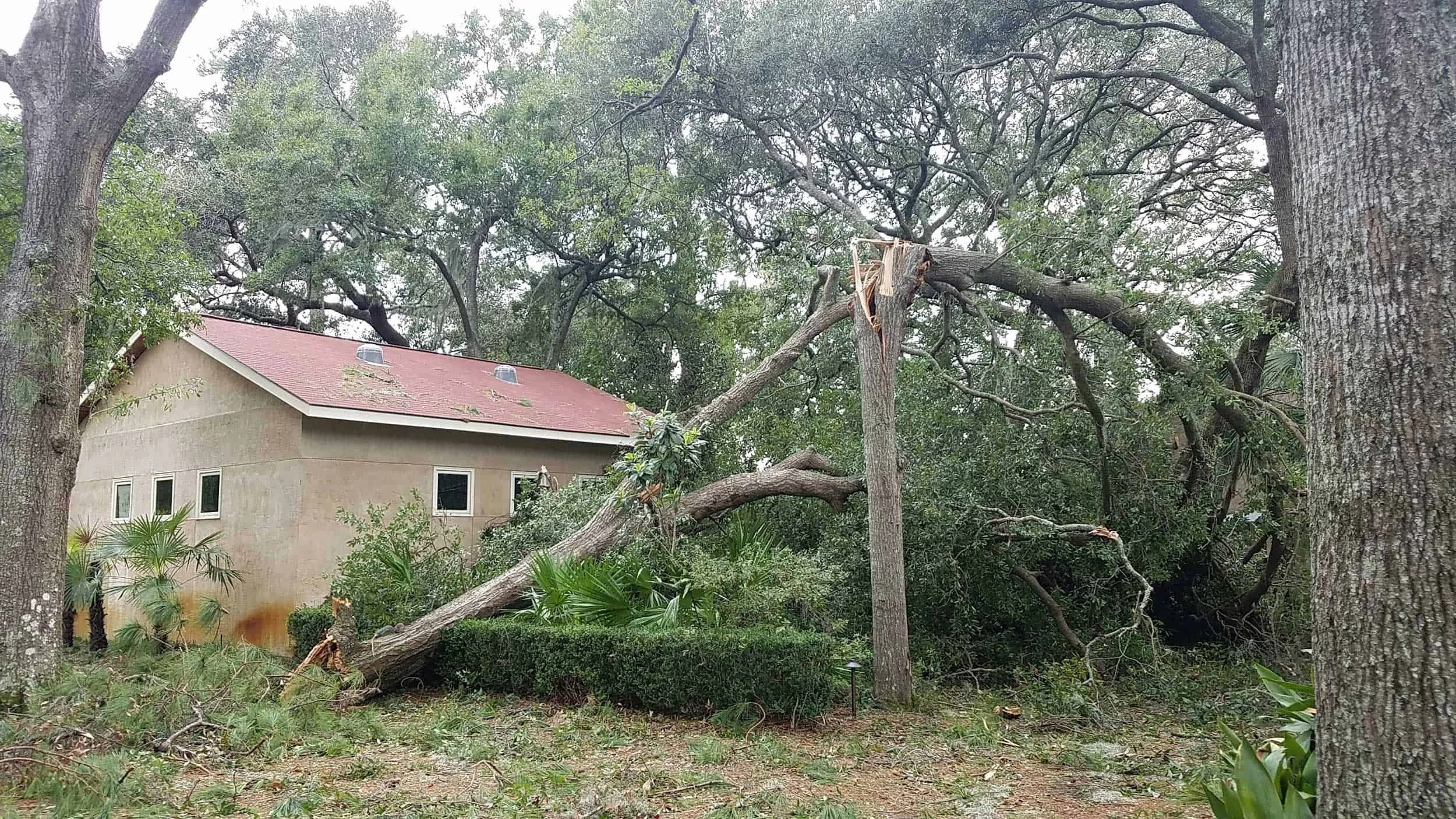
A resilient home also considers the landscape that surrounds it. During coastal storms, windborne debris can cause significant damage.
Routine maintenance such as removing dead branches and keeping trees healthy can reduce the risk of debris striking the home during high winds.
Thoughtful site planning, effective drainage design, and durable material selection further improve long term performance in the coastal environment.
Why FORTIFIED Is Becoming the New Coastal Standard
For homeowners building or renovating along the South Carolina coast, FORTIFIED certification is increasingly seen as a wise investment.
The benefits include:
Greater protection during hurricanes and severe storms
Reduced repair and maintenance costs over time
Potential insurance savings
Greater confidence in the long-term durability of the home
Just as importantly, FORTIFIED certification signals that a home has been built to a higher level of care and craftsmanship.
Designing Resilient Homes in the Lowcountry
As architects practicing in a hurricane-prone region, resilient design is central to our work.
Tom Rhodes, AIA, has completed the training and certification required to become a FORTIFIED Homes™ service provider through the Insurance Institute for Business & Home Safety. This allows us to help guide homeowners through the process of designing or upgrading homes to meet the program’s rigorous standards.
From early design decisions to construction detailing and coordination with certified inspectors, we integrate resilience into every stage of the process.
For many of our clients the conclusion is simple: building to FORTIFIED standards is a smart decision.
Building for the Future of the Coast
The Lowcountry has always adapted its architecture to the coastal environment. Today, the FORTIFIED program offers a clear path forward, combining traditional coastal wisdom with modern engineering and construction practices.
The result is a home that not only captures the beauty of the marsh and sea, but is built to endure the storms that inevitably come with living along the coast.
Because in the Lowcountry, the best homes aren’t designed just for the view.
They’re designed to last.
As a certified FORTIFIED service provider, our own Tom Rhodes ensures that our designs meet the rigorous resiliency standards of the program. Please feel free to reach out to Tom directly with questions!