
Why "House Burping" Is Not the Indoor Air Quality Solution We’ve Been Waiting For
Why “House Burping” Is Not the Indoor Air Quality Solution We’ve Been Waiting For
If you’ve been on TikTok or Instagram lately, you’ve probably seen the latest home wellness trend: “house burping.” The advice is simple. Open your windows for five minutes several times a day to “air out” your house and improve indoor air quality.
It sounds harmless. Even sensible. The idea has gained so much traction that NPR and The New York Times have covered it.
As an architect who designs houses for hot, humid climates, I’ll say this plainly:
For most homes, in most climates, this is bad advice.
Here’s why.
First, energy. You pay a lot of money to heat, cool, and dehumidify your home. Opening windows repeatedly throughout the day dumps conditioned air you’ve already paid for and forces your HVAC system to work harder to recover. If your goal is efficiency, lower bills, or reduced energy use, this approach does the opposite.
Second, hot, humid air is not “fresh air.” In much of the country, especially the Southeast, outdoor air carries high moisture, pollen, and pollutants. Bringing that air inside raises indoor humidity, makes your home feel less comfortable, and can create conditions that support mold growth. Humidity control is central to comfort and durability. Random window opening actively undermines it.
Third, outdoor air quality varies. Depending on where you live and the day, outdoor air may include allergens, vehicle exhaust, wildfire smoke, or high particulate counts. Simply opening windows assumes outside air is always cleaner than indoor air. Often, it isn’t.
Finally, modern HVAC systems are designed to manage temperature, humidity, airflow, and filtration as a coordinated system. Opening windows at random disrupts pressure balance, airflow, and moisture control. If your house needs constant window opening to feel healthy, that’s not a ventilation strategy. It’s a sign the house isn’t performing as it should.
So what actually works?
Building scientist Allison A. Bailes III, PhD, of Energy Vanguard outlines a proven, science-based approach to good indoor air quality. It includes:
Source control with low-VOC materials
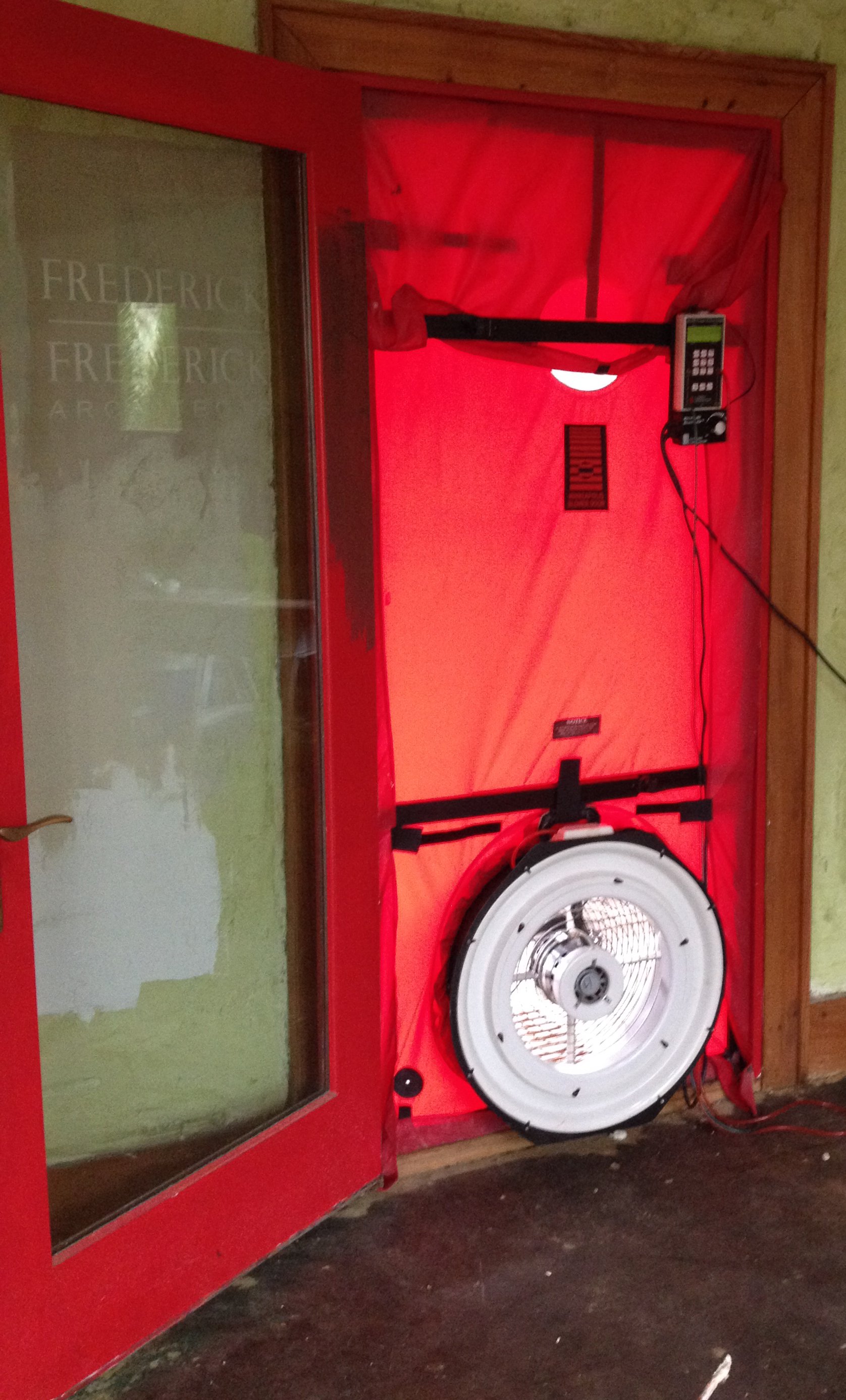
Airtight construction to keep unfiltered air out
High-quality filtration (at least MERV 13)
Controlled fresh air through an ERV
Proper moisture control
Balanced HVAC systems
Monitoring indoor air quality instead of guessing
Good indoor air quality comes from intentional design, not viral trends.
TikTok ideas come and go.
Building science sticks around.
Your comfort, energy bills, and long-term health depend on knowing the difference.