
It seems every day there’s a new article or theory about “aging in place, “ but rarely is starting really early addressed. We were recently talking with some potential clients about designing their “forever home”. It’s not unusual for our clients to be thinking about retirement, but this couple is still young with small children. They’re building on family property and plan to stay, so their house needs to be designed to adapt as their family grows and changes. There are many things to consider when thinking this long term.
When babies are part of the family, there might be an area off of the primary bedroom for a crib which can become a sitting area once the children are in their own room. Likewise, the house might be designed with two primary bedrooms, one on the first floor and one on the second. When the children are small, the parents can be on the second floor with them and the first-floor bedroom is a guest room. As the children grow up, the parents can move to the first floor, giving everyone a bit more privacy.
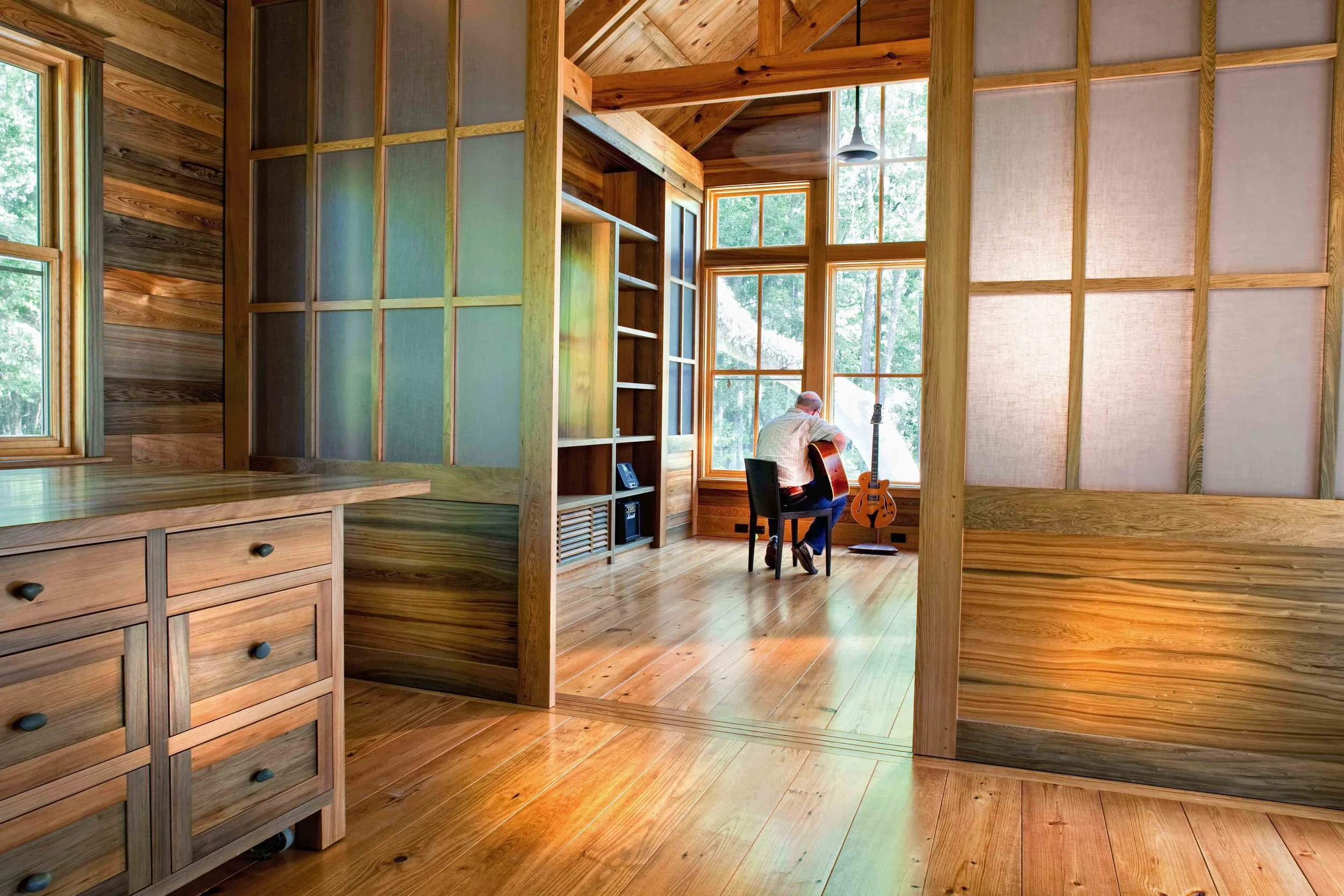
We've also found that how a house is used pre- and post-retirement can change significantly. Before retiring, couples often share the house after work in joint activities. After retirement, many of our clients express the desire for individual retreats for personal pursuits and hobbies. Quite often, spare bedrooms can be repurposed or redesigned. Planned flexibility makes this easy. Planned rigidity makes it expensive.
Ideally, your house will reflect every stage of life and the most enduring forever homes are the ones designed with that arc in mind from the very beginning.
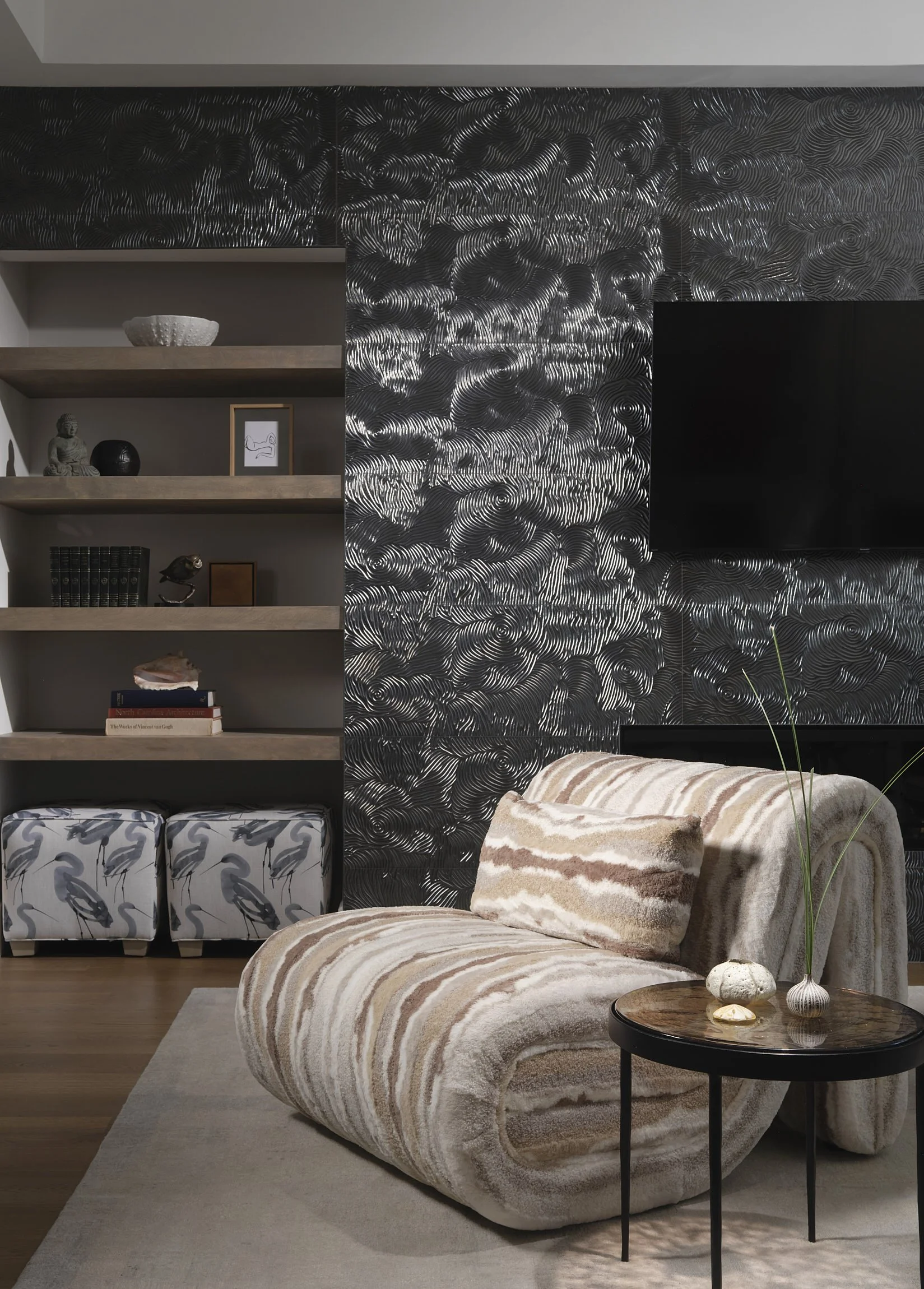
Building Your Forever Home in the Lowcountry; A Note for Those Approaching Retirement
For many of our clients, the forever home conversation arrives at a specific moment in life: the career is winding down, the children are grown, and what once felt like a distant dream, building the right home in the right place, is suddenly something that can actually happen.
For a growing number of those clients, that place is the South Carolina Lowcountry.
They found Beaufort on a long weekend and couldn't stop thinking about it. Or they've been visiting friends on the coast for years and quietly imagined what it would be like to stay. Or they simply reached a point where they asked themselves: if not now, when?
What they share, almost universally, is that this is not a home they are building casually. It is the home, the one that represents everything they have worked toward, designed for the life they are finally ready to live. That changes how the design conversation begins.
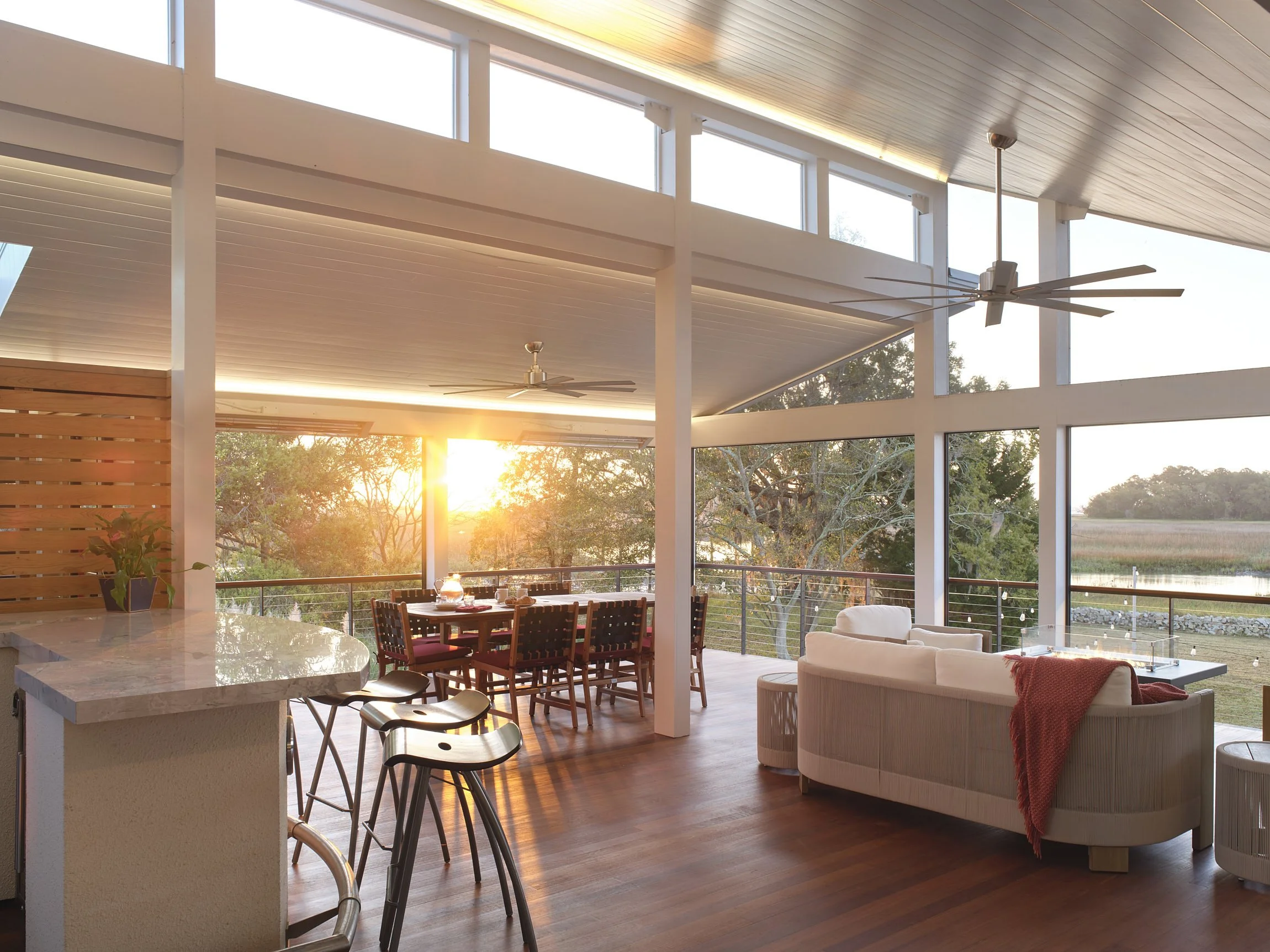
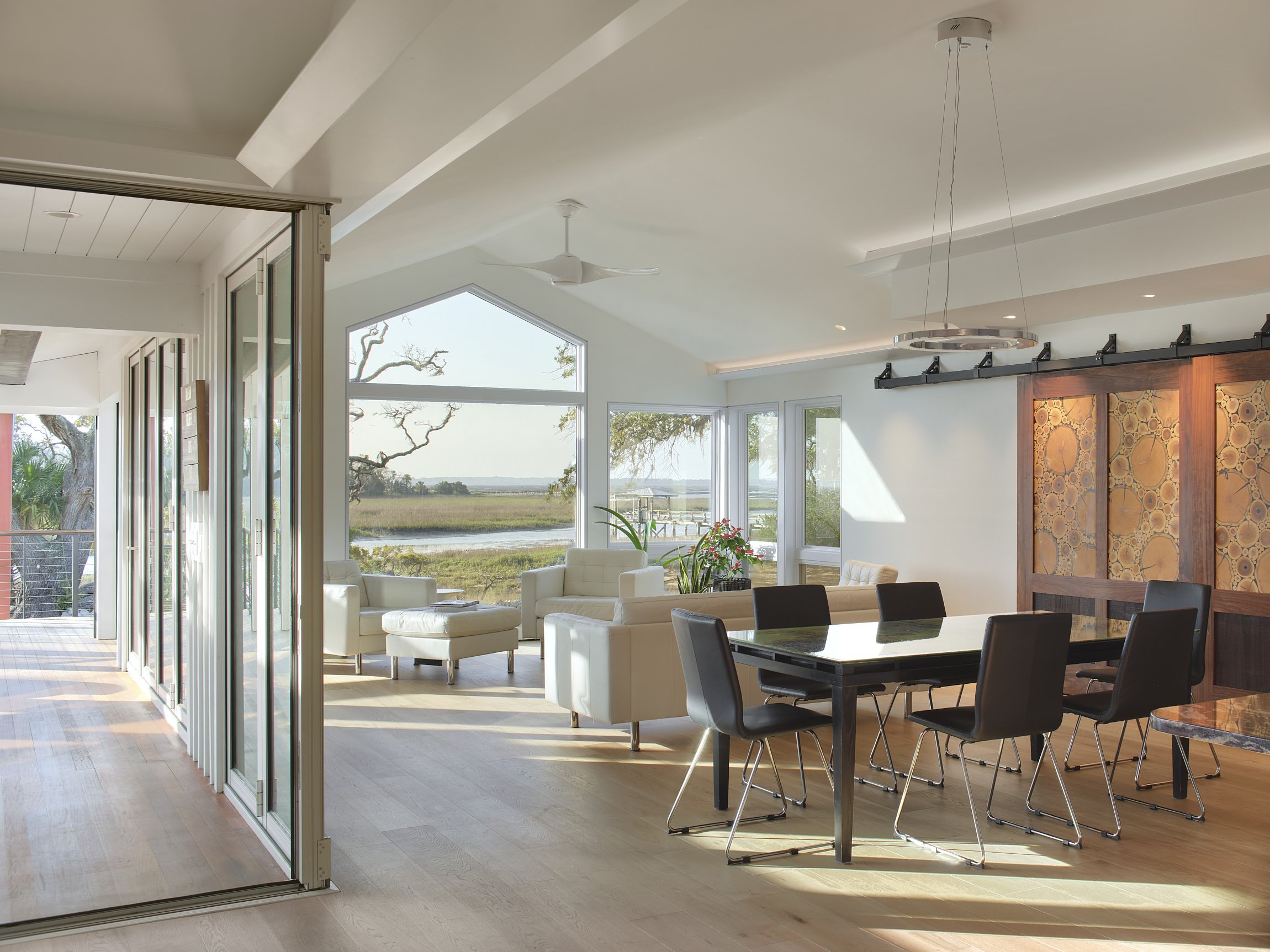
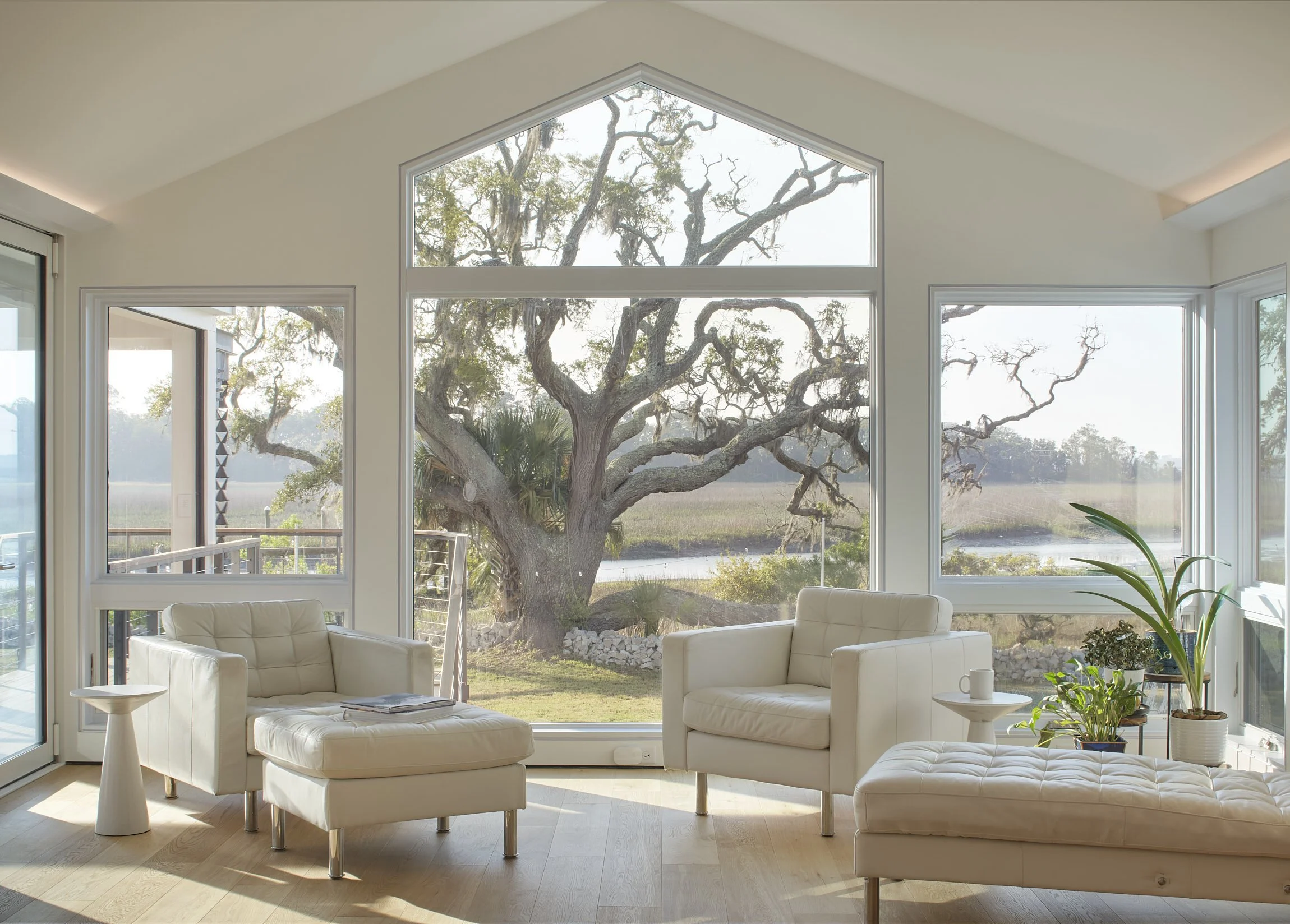
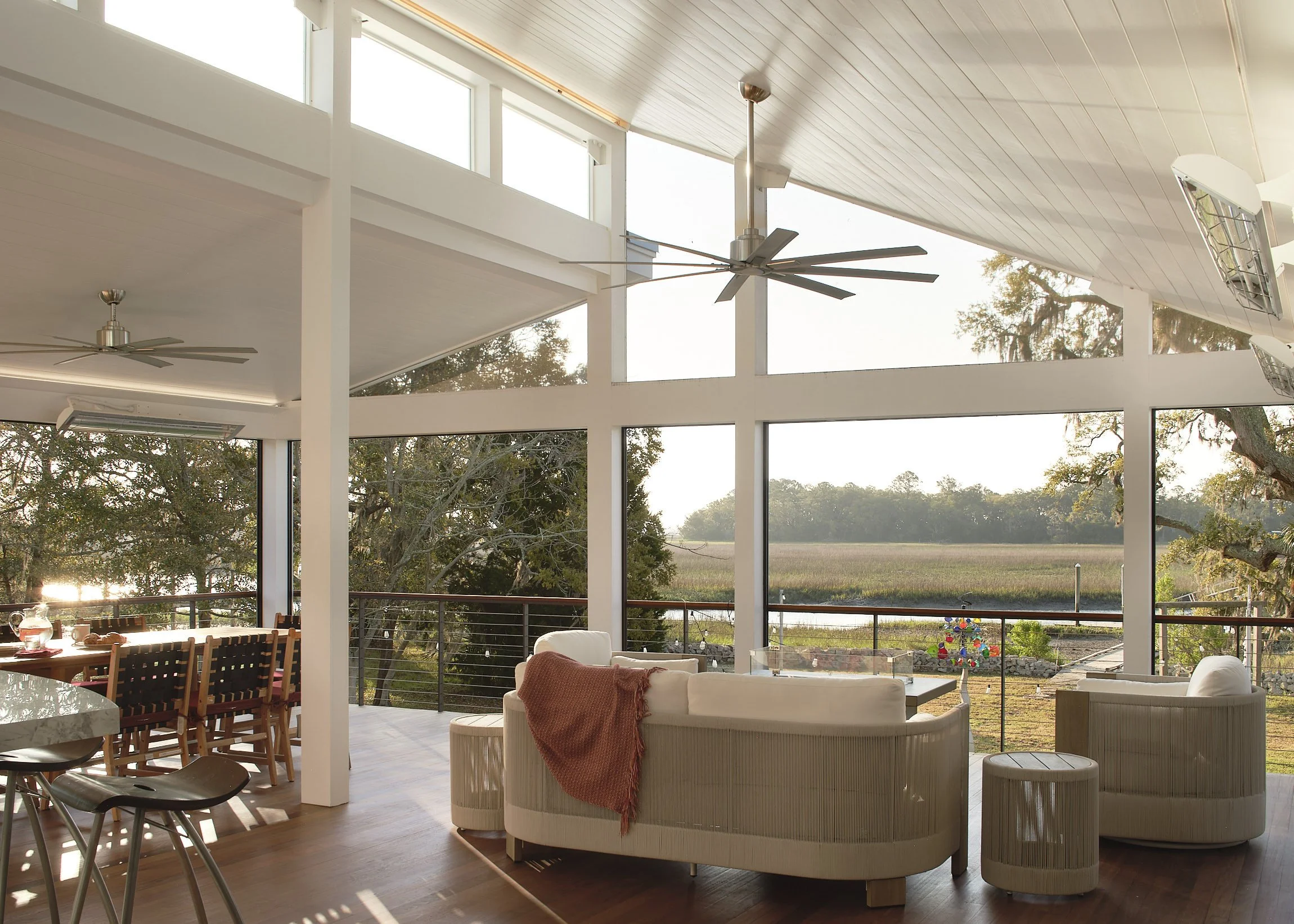
Designing for retirement looks different than designing for any other stage of life
When we sit down with clients who are building their retirement home in the Lowcountry, the design priorities shift in ways that are worth thinking through early.
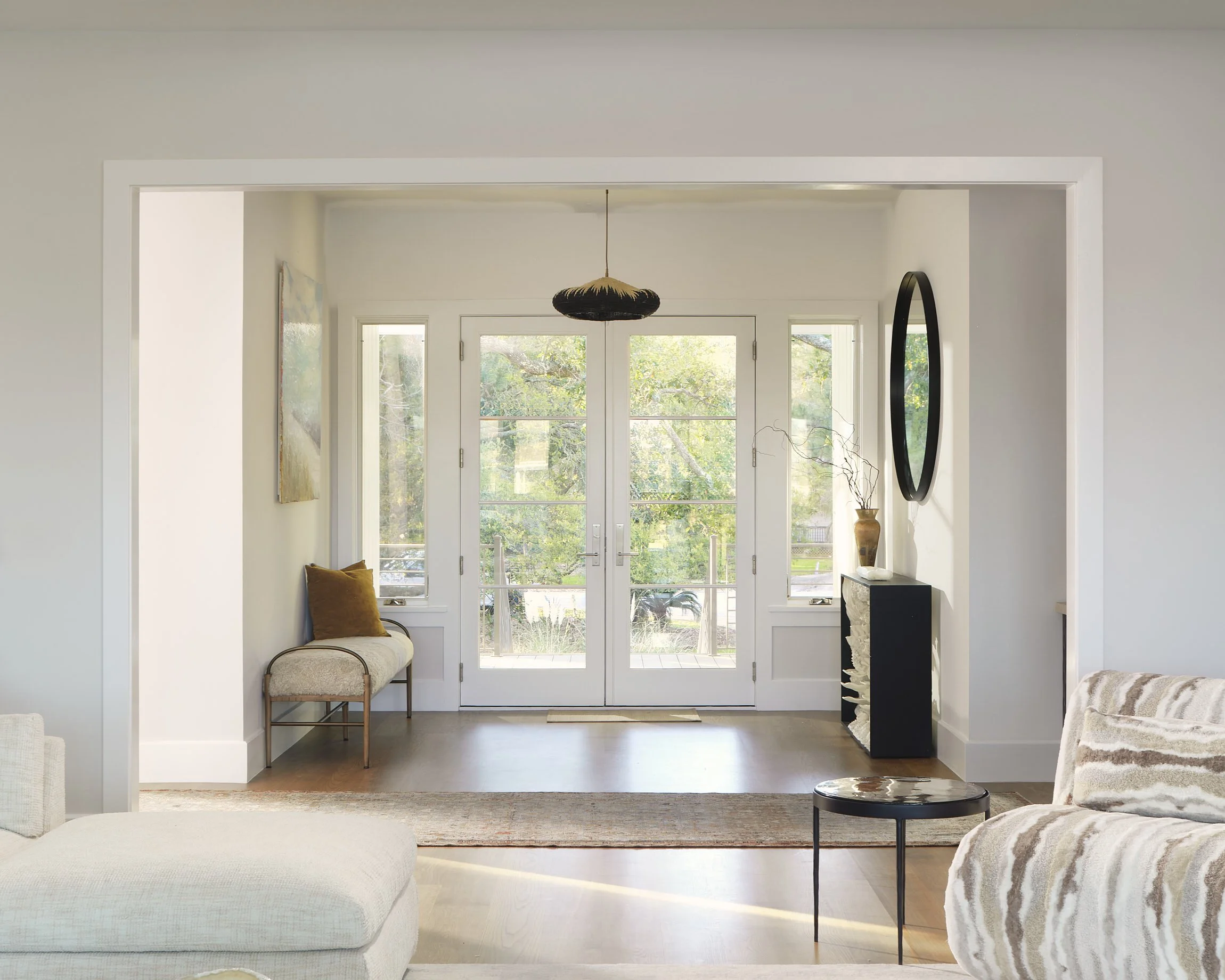
Flow and ease matter more than square footage. The homes that feel best to live in day after day are not necessarily the largest ones — they are the ones where every room connects logically, where moving through the house feels natural, and where nothing requires effort that shouldn't. Wide doorways, lever hardware, curbless showers, and a primary suite that carries the full weight of daily life on a single floor are not concessions to aging, they are marks of a well-designed home at any age.
Spaces for individual life become essential. Retirement means spending significantly more time at home, often together. The couples who think about this in advance are the ones who design for two people who love each other and also need their own corners of the world, a studio, a study, a workshop, a reading room. These spaces rarely feel necessary at the contract stage. They feel essential six months after move-in.
Guest quarters deserve real attention. One of the great pleasures of a Lowcountry forever home is having somewhere beautiful to bring family. Children and grandchildren who visit the coast are children and grandchildren who visit often. A well-designed, private, comfortable guest suite with its own bath is one of the most appreciated decisions our clients make. A pullout sofa in the study is not the same thing.
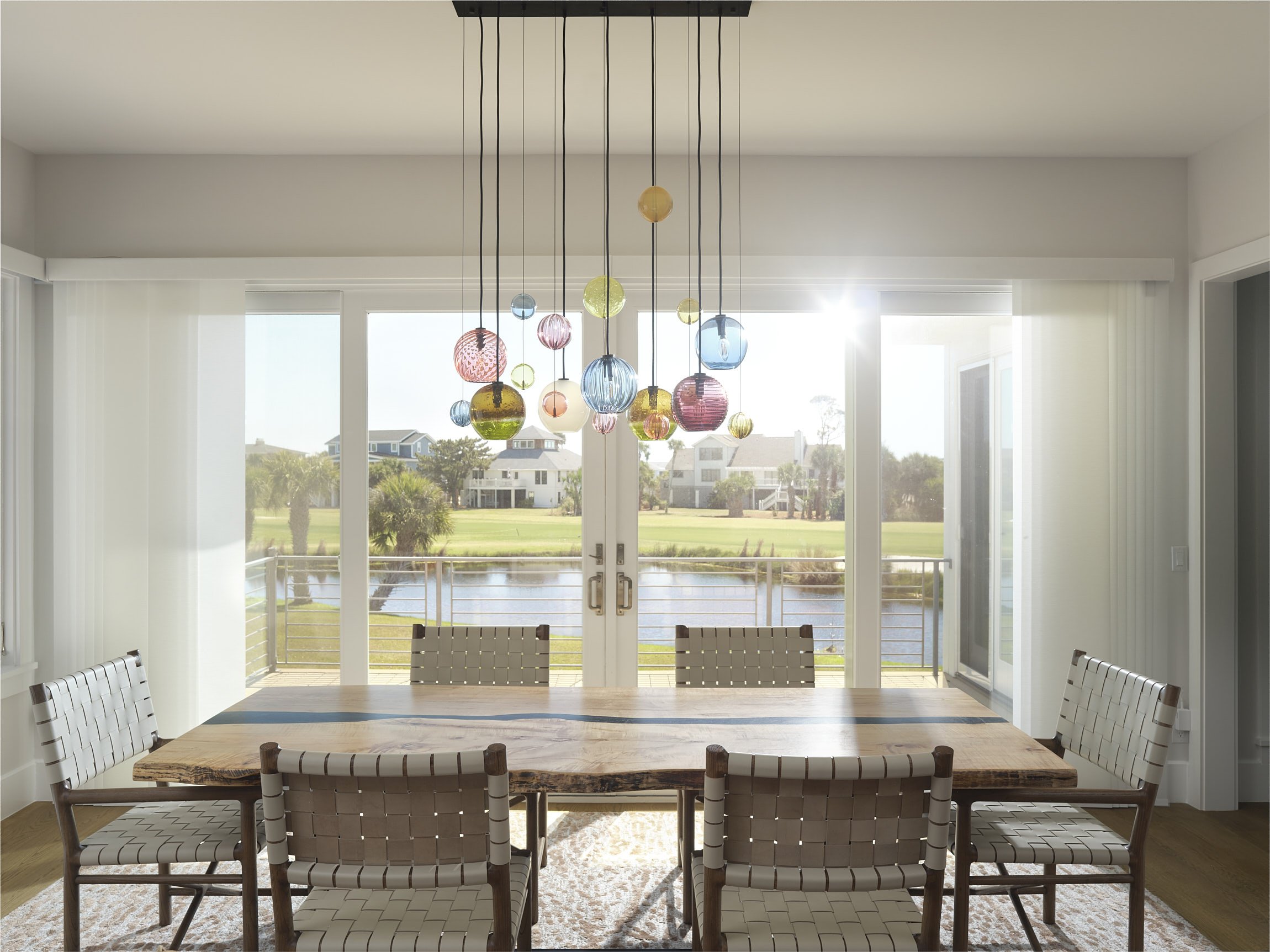
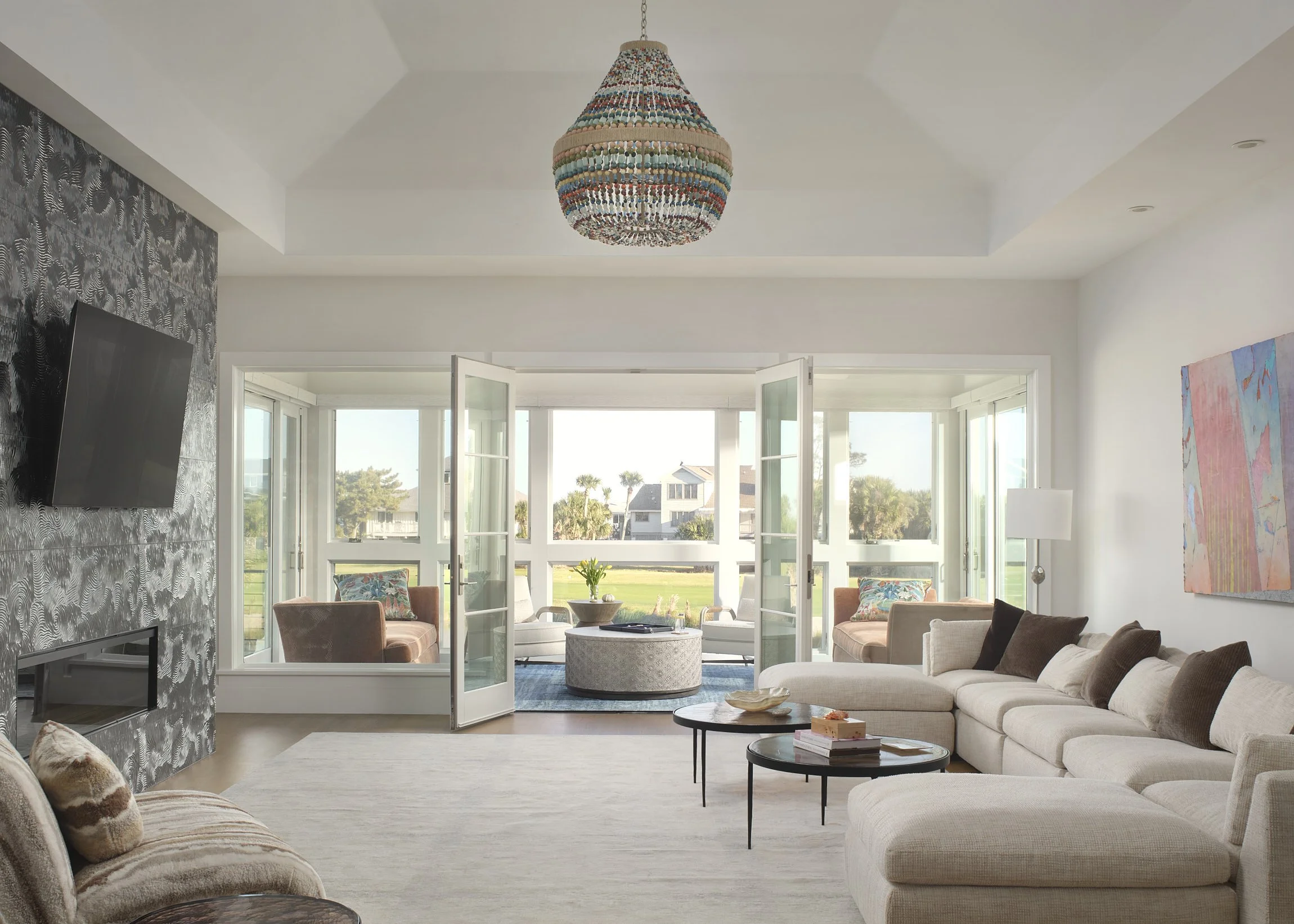
Outdoor living carries more weight here than almost anywhere else. The Lowcountry's mild winters and long shoulder seasons mean that a screened porch, a covered outdoor kitchen, or a simple sitting area overlooking the marsh can genuinely be used for eight or nine months of the year. Clients who invest in these spaces at the design stage get years of daily pleasure from them. Clients who treat them as an afterthought often wish they had planned more carefully.
The home should perform as well as it looks. An executive relocating from the Northeast or Midwest is accustomed to homes that require real maintenance, real energy costs, and real attention. A well-designed Lowcountry forever home — built with high-performance systems, a tight building envelope, and materials chosen for this specific climate, should be the opposite: low maintenance, energy-efficient, and genuinely comfortable year-round without constant intervention. This is where our 35 years of experience designing for the heat, humidity, and storm exposure of the coastal South pays off most directly.


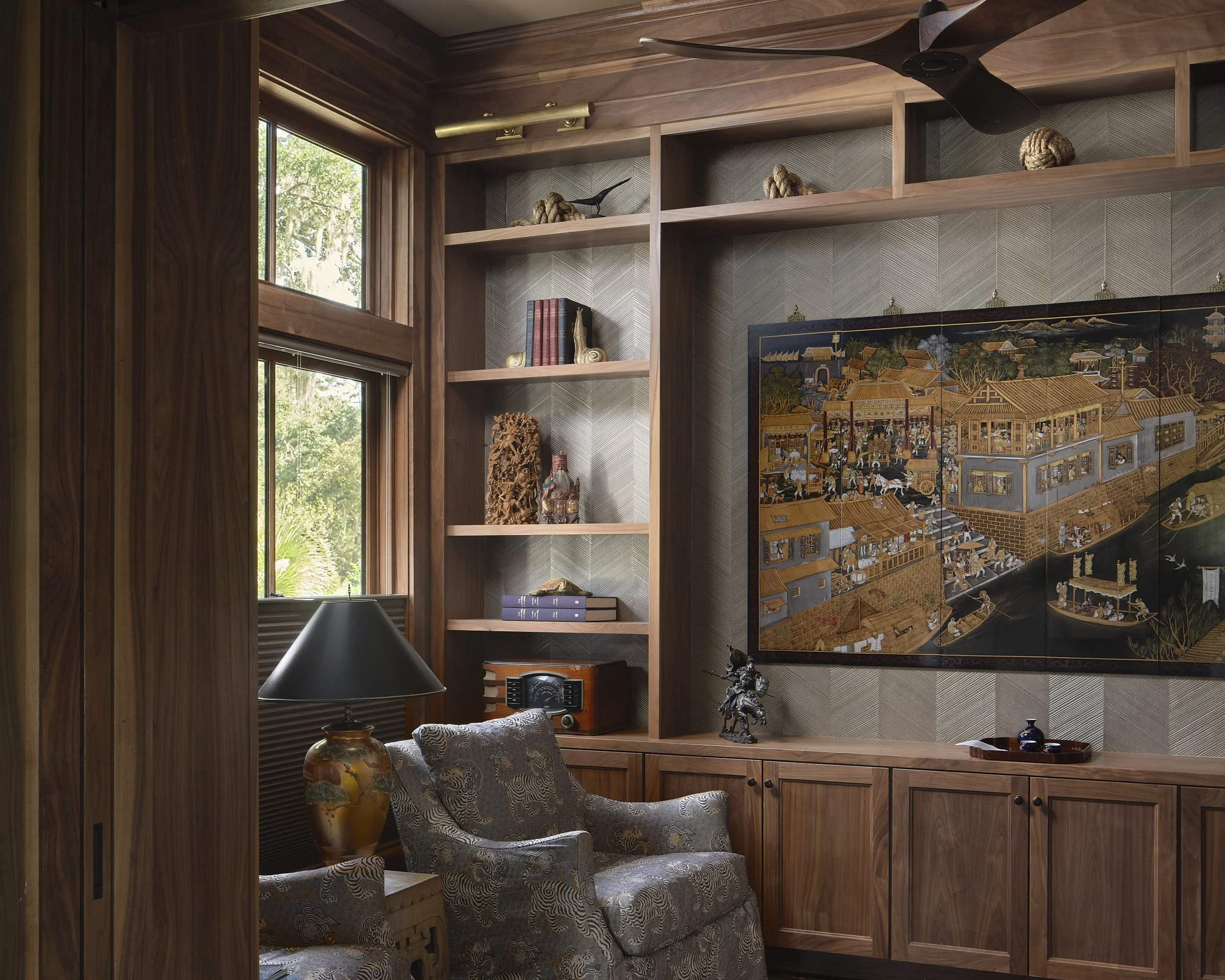
The right time to start thinking about this is before you need to
The clients who end up with the homes they truly wanted are almost always the ones who gave themselves enough time to think clearly. Time to find the right lot. Time to develop the design without rushing decisions. Time to choose a builder carefully and let the construction process unfold without pressure.
If you are two or three years from retirement and the Lowcountry is somewhere in the back of your mind, that is not too early to start a conversation. It may be exactly the right time.
The National Council on Aging's research confirms what we see in practice: the great majority of older adults want to remain in their own homes for as long as possible. The homes that support that goal most gracefully are not the ones adapted after the fact — they are the ones designed for it from the beginning.
Design strategies for aging in place are covered in more detail in this post.
Every stage. Every chapter. One home.
Whether you are a young family planting roots on property you plan to pass down, or an executive approaching retirement ready to build the home you have always envisioned, the forever home conversation starts the same way: with a clear-eyed look at how you live now, how you want to live in the future, and what a home designed for both of those things actually looks like.
That is a conversation we have been having with clients for over 35 years. We would welcome the chance to have it with you.