
How to Design and Build a Custom Home in the Lowcountry
When You’re Moving From Out of State
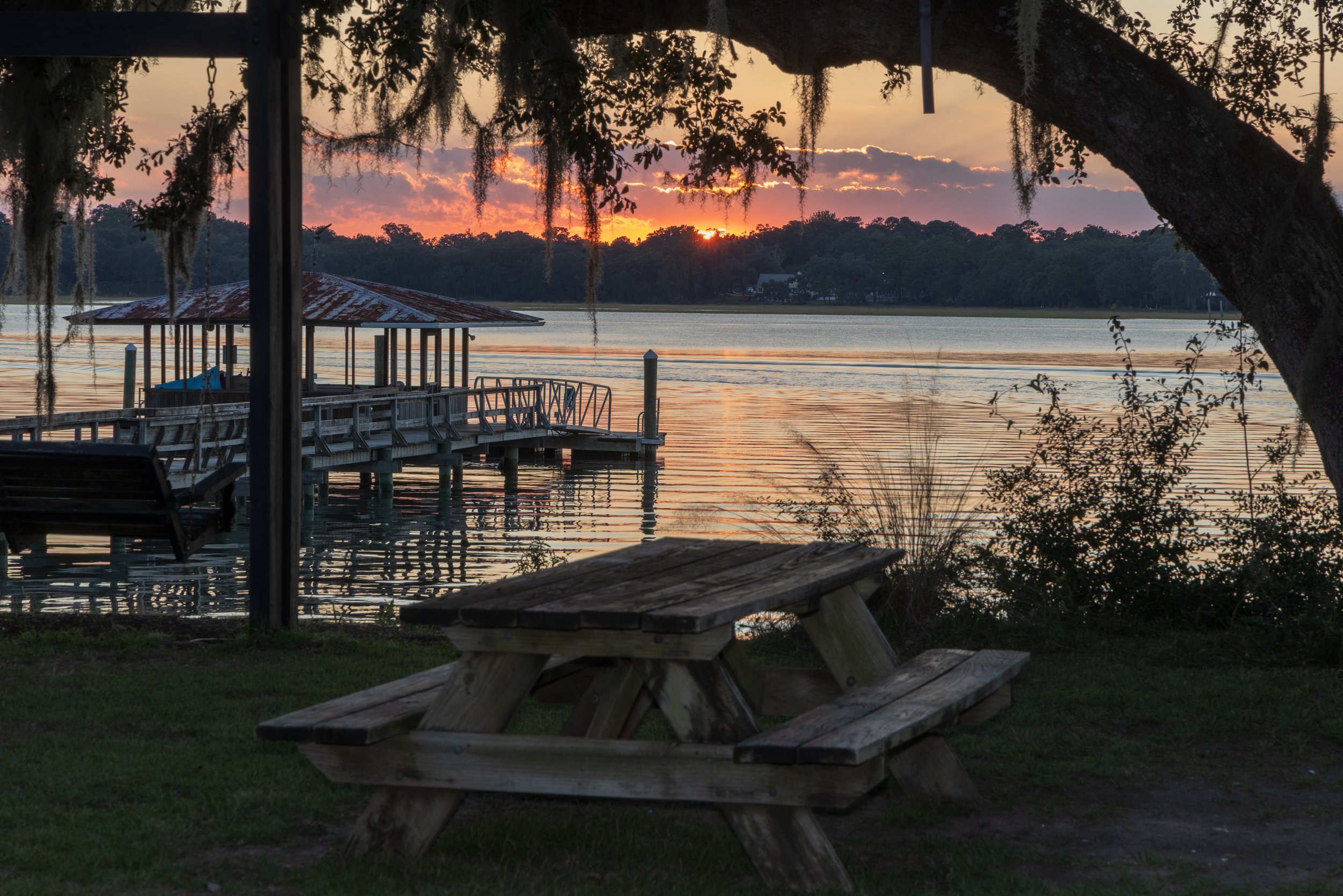
You have found the place. Maybe it was a long weekend in Beaufort, a friend's wedding in the Lowcountry, or a detour off I-95 that turned into something you can't stop thinking about. The light on the water. The live oaks. The pace of life that feels like something you forgot was possible.
Now you are seriously considering building a home here. And you are doing it from somewhere else, Chicago, Boston, New York, Atlanta, wherever you have spent your career. You won't be able to drive over to the job site every Thursday. You have never built in this climate. You may never have built a custom home at all.
This guide is written for exactly you.
We are Frederick + Frederick Architects. We have been designing custom homes in the Beaufort area for over 35 years. We have also been out-of-state clients ourselves; we moved here from Alexandria, Virginia, in 1989 after a single stop convinced us this was where we were meant to be. We know the pull of this place because we felt it ourselves. And we have spent three and a half decades helping people just like you navigate the process of building their forever home in the Lowcountry, no matter where they lived.
Here is everything you need to know.

Is the Lowcountry right for you?
Before anything else, let's make sure the fit is real, not just for you as a person, but for your vision of home.
What makes the Lowcountry different
The South Carolina Lowcountry, Beaufort, Hilton Head, Bluffton, and the sea islands are not a generic coastal market. It is a specific, deeply particular place. The landscape is defined by tidal marshes, live oak canopies draped in Spanish moss, and a rhythm of water and light that shifts by the hour. The architecture has its own vernacular: raised foundations, wide porches, deep overhangs, materials that breathe.
It is also hot, humid, and exposed to storm risk in ways that are fundamentally different from New England, the Midwest, or the Pacific coast. A home designed for coastal Maine will not perform well here. A home designed by someone who truly understands this climate, who has been building in it for decades, will perform beautifully.
Beaufort vs. Hilton Head vs. Bluffton, what's the difference?
These communities are close in miles and very different in character.
Beaufort is the historic heart of the region, a small, walkable city with genuine 19th-century architecture, an arts community, and a sense of place that feels earned rather than manufactured. It attracts clients who want authenticity.
Hilton Head is a resort island with strong infrastructure, established neighborhoods, and a golf-and-beach culture. It is more developed, more amenitized, and governed by design review boards that enforce community standards closely.
Bluffton sits between them, a faster-growing community with a mix of new development and a preserved Old Town. It offers proximity to both Hilton Head and Beaufort without fully belonging to either.
Where you build will shape how you live. We can talk through which area fits your lifestyle before you commit to a lot.
What kind of person builds here?
Our clients are typically executives and professionals, people who have spent their careers building something, who have deferred a lot of living, and who are ready to build the home that fits this next chapter. They are not looking for a spec house or a developer's floor plan. They want something that is deeply personal, built to last, and connected to this specific landscape.
Many of them have never built a custom home before. Almost all of them are relocating from somewhere colder or more crowded. And many of them do not know exactly what they want yet, they know how they want to feel in a home, and they are trusting an architect to translate that into something real.
If that sounds like you, you are in the right place.
Understanding the climate and why it changes everything
This is the section that most out-of-state clients find most surprising. The Lowcountry is not just a pretty backdrop. It is a demanding environment, and a home that ignores that will make you miserable, cost you a fortune in energy bills, and start deteriorating faster than it should.
Heat and humidity
Beaufort sits in ASHRAE climate zone 2A, hot and humid. Summer temperatures regularly exceed 90 degrees Fahrenheit, and the humidity makes it feel hotter. The building science of keeping a home comfortable in this climate is genuinely different from what works in a dry or cold climate.
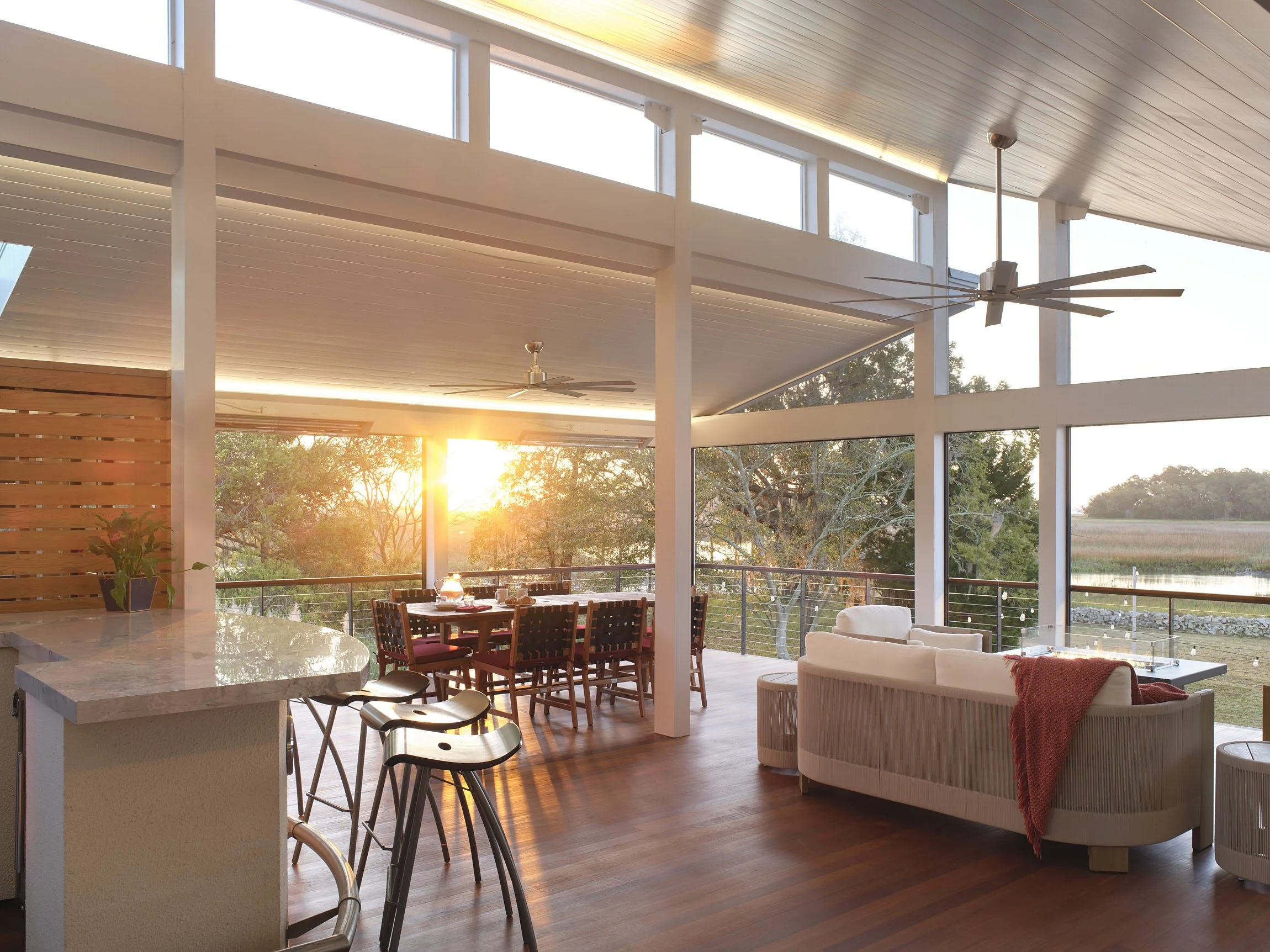
High-performance homes in the Lowcountry are designed to manage moisture as aggressively as they manage heat. That means careful attention to air sealing, vapor barriers, mechanical ventilation, and the materials used throughout the envelope. Done right, you will barely notice the summer. Done wrong, you will be fighting your HVAC system and dealing with mold issues within a few years.
Storm resilience
We are in hurricane country. That is not a reason not to build here, but it is a reason to build thoughtfully. The best coastal homes in the Lowcountry are designed from the ground up to withstand wind events, with reinforced structural connections, impact-rated windows and doors, proper roof geometry, and elevated foundations that account for storm surge where relevant.
Building codes in South Carolina require certain storm-resistance measures, and we know them thoroughly. But code-minimum is not the standard we design to. We design to homes that will still be standing and beautiful in 50 years.
The vernacular matters
The traditional architecture of the Lowcountry evolved over centuries in direct response to this climate. Deep porches provide shade. Raised foundations catch breezes and manage flood risk. Wide overhangs protect walls from driving rain. High ceilings allow heat to rise away from living spaces.
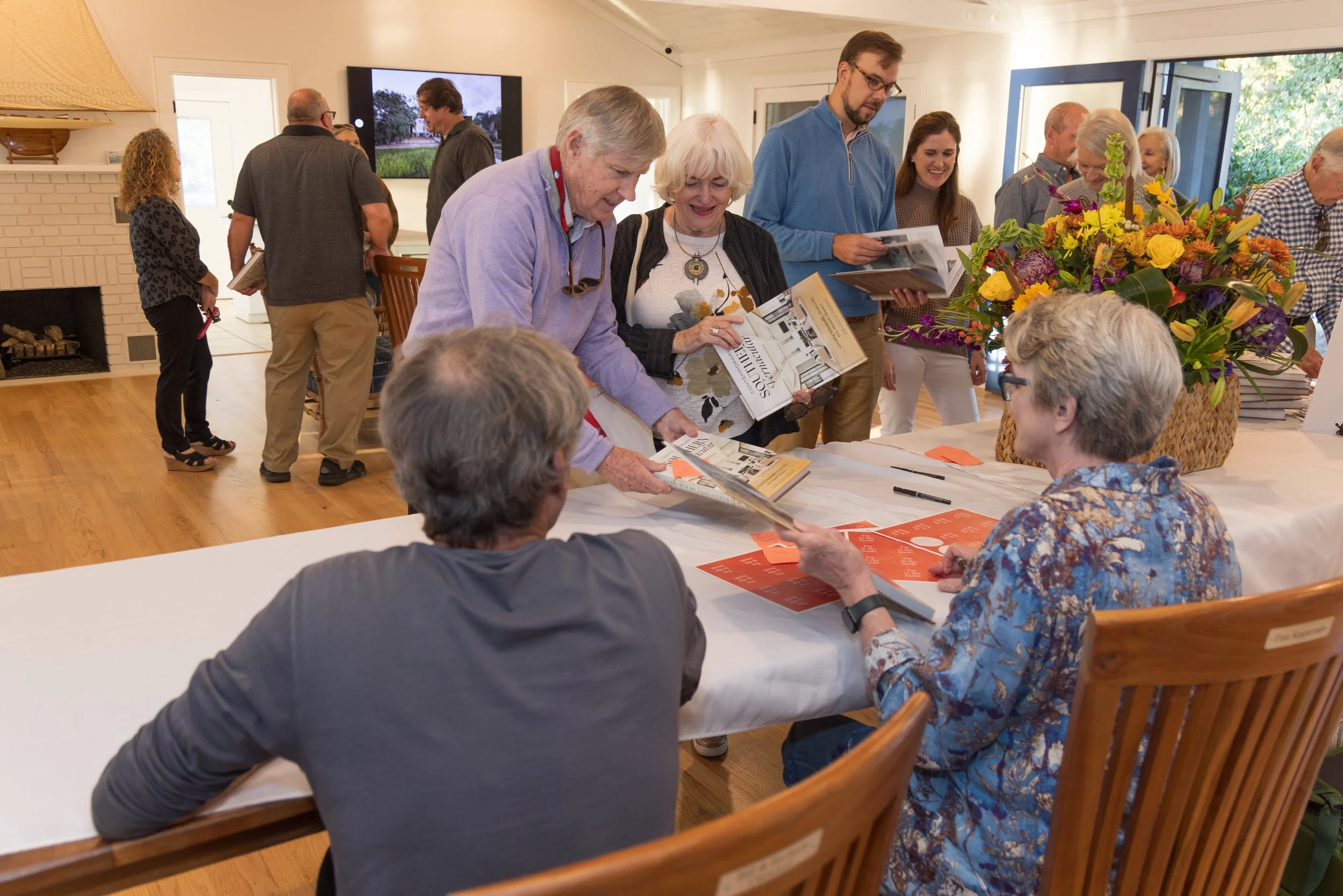
These are not decorative choices. They are climate-responsive design solutions that have been tested by generations of living here. Our approach, which we have written about in our book Contemporary Southern Vernacular: Creating Sustainable Houses for Hot, Humid Climates, draws on this tradition while incorporating modern materials and building science to produce homes that are both beautiful and extraordinarily well-performing.
Finding your land
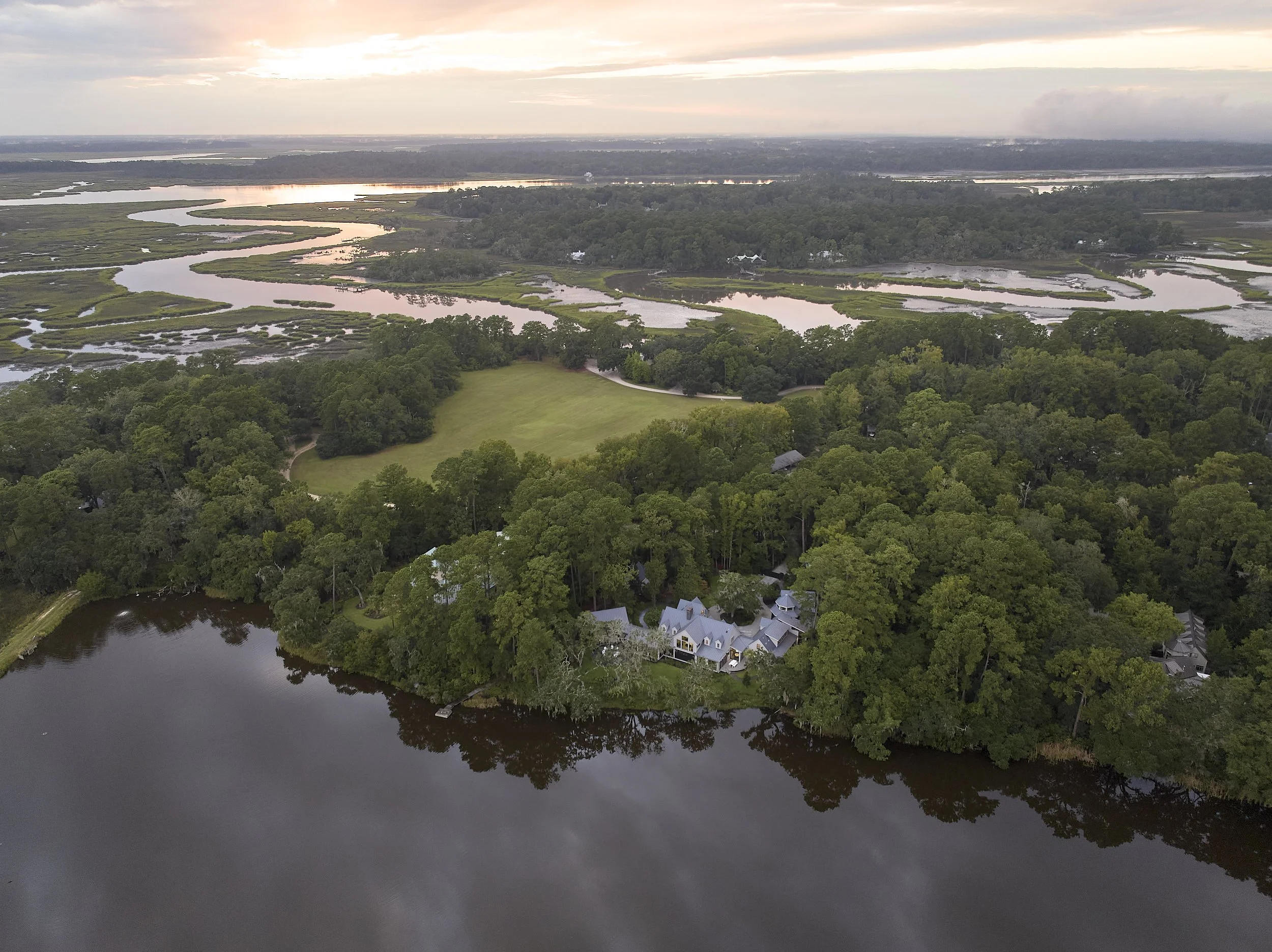
If you do not yet own land in the Lowcountry, this is usually your first step. And it is a step where having an architect involved early pays real dividends.
What to look for in a lot
Not all lots are created equal, especially in a coastal environment. Before you fall in love with a piece of land, you want to understand:
Flood zone designation. FEMA flood maps determine your flood insurance requirements and influence how high your foundation needs to be. A lot in Zone AE has different implications than one in Zone X.
Setbacks and easements. Coastal lots often have significant setback requirements from the water, wetlands, and property lines. These can dramatically affect what you can actually build.
Soil conditions. The Lowcountry's sandy, marshy soils can require engineered foundations that add cost. A geotechnical report before purchase is money well spent.
Views and orientation. The best lots capture prevailing breezes and position living spaces to take advantage of water views while managing solar exposure.
Design review board requirements. Many Lowcountry communities have architectural review boards that govern design standards. Understanding these constraints before you design saves significant time and frustration.
Buying land from out of state
We have helped many clients evaluate lots remotely before they made a purchase. We can review survey documents, flood maps, and site plans, and give you a realistic assessment of what a given piece of land will support and what it will cost to build on. This kind of pre-purchase consulting can save you from an expensive mistake.
The custom home design process: what to expect
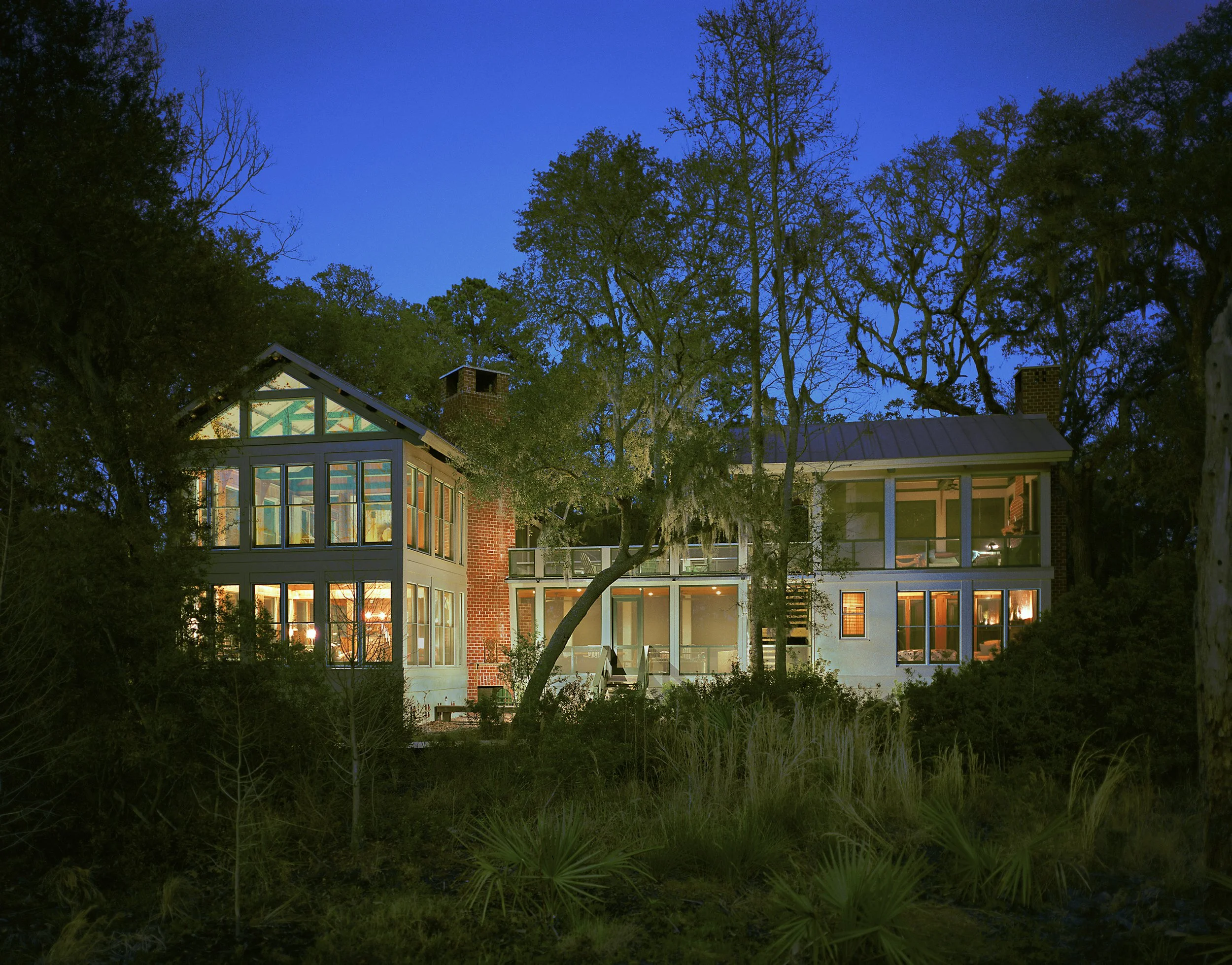
Building a custom home is not like buying one. The process is longer, more collaborative, and ultimately more rewarding. Here is how it works when you work with Frederick + Frederick.
Phase 1: The initial conversation
Everything starts with listening. We want to understand not just what you want to build, but how you live, what you love, what matters to you about home. We ask questions you may not have considered: how do you move through a space in the morning? Do you entertain formally or casually? How do you feel about natural light? What does your best day at home look like?
This conversation can happen in person, by video, or by phone. Many of our clients start this process while they are still living in another state. There is no requirement to be local to begin.
Phase 2: Schematic design
Once we understand your vision, we begin translating it into form. Schematic design is the phase where the home starts to take shape: site placement, massing, room relationships, and the big ideas. We present options, get your feedback, and refine. It is genuinely collaborative, and most clients find this phase exciting. We have found that this first presentation needs to be in person.
Phase 3: Design development
With a schematic direction established, we go deeper; working out the details of every space, the structural system, the exterior materials, the interior architecture. This is where the home becomes truly specific: the ceiling heights, the window placements, the relationship between indoor and outdoor living.
We also bring your builder into the conversation during this phase. Their input on constructability and cost helps us refine the design in real time, so you are not hit with surprises when bids come in.
Phase 4: Construction documents
This phase produces the full set of drawings and specifications that a contractor uses to build the home. It is detailed, technical work, but it is also where quality is locked in. Vague construction documents lead to expensive change orders and disappointed clients. We produce thorough documents that protect you throughout the build.
Phase 5: Permitting and approvals
In the Lowcountry, custom homes require permitting through the local building department and, in many communities, review and approval by a design review board or architectural committee. We handle these submissions, prepare the required drawings and presentations, and manage the approval process on your behalf. This is particularly valuable for out-of-state clients who cannot attend these meetings.
Phase 6: Construction administration
Once construction begins, we stay involved. We visit the site regularly to observe progress, review details, and make sure the build is faithful to the design. We keep you updated with photos and notes so you always know what is happening, even if you are thousands of miles away.
For out-of-state clients, this phase is often where our involvement is most valuable. You have a trusted advocate on the ground whose job is to make sure your home is built exactly as designed.

How we work with out-of-state clients specifically
We want to be direct about this because it is important: you do not need to relocate before your home is designed and built. We have developed a process specifically for clients who are planning from a distance.
Virtual design tools
We use 3D modeling and virtual reality walkthroughs that allow you to experience your home before a single shovel breaks ground. You can move through rooms, assess the flow, feel the scale of spaces, and make changes while they are still changes on a screen rather than walls that need to come down. For clients designing from Chicago or Boston, this technology changes everything.
Regular remote updates
During construction, we provide regular written updates with photographs and notes so you always have a clear picture of where the project stands. You will never feel like you are operating blind.
Site visits: how often do you actually need to be here?
Less often than you might think, especially in the early stages. Most of the design work happens in conversations and shared documents. We typically recommend that out-of-state clients plan to be on site for a few key moments: when the initial design is presented, the presentation of interior selections, contractor selection, electrical walk-through when framing is completed, and, of course, the final walkthrough. Beyond that, we can manage the day-to-day.
Managing the relationship with your builder
Choosing the right builder is one of the most important decisions in the process. We have long-standing relationships with excellent builders in the Lowcountry who do exceptional work and communicate well with out-of-state clients. We can make introductions, help you evaluate bids, and serve as your primary point of contact during construction, so you are not trying to manage a builder relationship remotely on your own.

Budget: what does it actually cost to build in the Lowcountry
We hear this question often, and we will give you an honest answer with the caveat that construction costs vary significantly based on size, finish level, site conditions, and the broader market at any given time.
What drives cost in coastal construction
Building in a coastal environment costs more than building inland, for several reasons:
Elevated foundations, required in many flood zones, add meaningful cost.
Impact-rated windows and doors, required by code in certain wind zones, are more expensive than standard products.
High-performance building envelopes: the insulation, air sealing, and moisture management systems that make a home comfortable and durable in this climate require skilled labor and quality materials.
Coastal supply chains can be longer and more expensive for certain materials.
Design decisions that affect the budget
The single biggest driver of cost is the design itself. A thoughtfully designed home of 3,000 square feet will almost always outperform a poorly designed home of 4,500 square feet and cost less to build and operate. We design with budget in mind from the very beginning, and we involve your builder early so the design reflects construction reality, not just aspirations.
The cost of not using an architect
We are biased, but this bears saying plainly: custom homes built without an architect, or with architects who do not understand coastal performance, consistently underperform. They cost more to heat and cool. They develop moisture problems. They require more maintenance. And they are harder to sell. The architect's fee is a small fraction of the total project cost, and it protects every dollar of the rest.

The most common questions we hear from out-of-state clients
"We've never built before. Will we be completely lost?"
No. Most of our clients have never built a custom home. The process is unfamiliar by definition, and we guide you through every step. We explain what is happening, why decisions are being made, and what your choices mean for the finished home. You will feel informed and in control throughout.
"What if we don't know exactly what we want?"
That is actually a perfect place to start. Many of our best projects began with a client who could describe how they wanted to feel in a home but had not yet translated that into architectural specifics. That translation is our job.
"What about hurricanes? Should we really be building here?"
People have been living beautifully on the South Carolina coast for centuries. The key is building correctly with the right structural systems, the right foundation, the right window and door specifications, and the right site planning. A well-designed Lowcountry home is not fragile. It is resilient.
"How do we know our home will actually look like the renderings?"
This is a legitimate concern, and it is one of the strongest arguments for using an architect who stays involved through construction. Our construction administration services exist specifically to ensure the build is faithful to the design. We visit the site, review the details, and catch issues before they become permanent.
"Can we start the design process before we have a lot?"
Yes. In fact, some clients find it useful to develop a preliminary design program, a clear description of what they need and want, before they buy land, because it helps them evaluate whether a given lot can support their vision. We can also help you assess specific lots you are considering. We cannot begin the actual design of the house until we have a lot, because each house we design is site-specific.
"We're probably 2–3 years from retirement. Is it too early to start?"
Not at all. The earlier you begin, the more time you have to make thoughtful decisions rather than rushed ones. Design takes time. Permitting takes time. Construction takes time. Clients who start the process early consistently have better outcomes than those who wait until they are ready to move and then try to compress everything.
Why Frederick + Frederick
We have been designing homes in the Beaufort area since 1989. That is over 35 years of working in this specific climate, with these specific materials, navigating these specific codes, review boards and soil conditions. We are not generalists who happen to work in the South. This place is what we know.
We also came here the same way many of our clients do, as visitors who fell in love and decided to stay. We sold our house and business in Alexandria, Virginia, and moved to Beaufort three months after our first visit. We understand the pull of this place from the inside.
Our homes are known for their climate intelligence, their craftsmanship, and their deep sense of place. We design in the tradition of Southern vernacular architecture while incorporating modern building science and we have written about that approach in our book Contemporary Southern Vernacular: Creating Sustainable Houses for Hot, Humid Climates.
We are a small firm. You will work with the principals, not with a rotating cast of junior staff. We take on the number of projects we can do well, not the maximum number we can bill.
We work with clients across the country. You do not need to be local to start a conversation with us.