


Connecting to the Land
In our book, Contemporary Southern Vernacular: Creating Sustainable Design for Hot, Humid Climates, we cover the importance of site design both from a sustainability viewpoint and connecting you to nature. The concept was a new one for many of our readers. One reader wrote, “Building a house to incorporate the surrounding landscape makes so much sense. I look out my window, and I am saddened that the builder did not position our house to catch a glimpse of the Pike’s Peak Mountain range, which is literally a few miles away. All I see out my window are houses. Some of the original landscapes would have been lovely to admire from my gigantic windows. Preserving Mother Nature and keeping it alive in our community would be a soothing and relaxing sight to awaken to every day.”

Rooftop Solar in South Carolina
The South Carolina Energy Freedom Act was enacted in 2019 to allow the expansion of the solar market, both large scale and residential installations, lifting previous caps on net metering and solar leasing. According to the SC State Energy Office, solar installations have increased 99% in Beaufort county since 2019.


Designing for Hurricanes
As we enter into hurricane season, many people ask, “How can I build to mitigate hurricane damage?” Historically, we have worried more about hurricanes with high winds but Hurricane Florence proved that category 1 storms can be just as disastrous. Eight people in South Carolina died, property damage was over $607 million, and more than 2,000 homes were lost to flooding.
When building a new house there are three critical concerns in the design and construction in hurricane prone areas that address the simultaneous impacts of wind, rain, and flooding.


Construction Waste
Considering that 90% of waste is from demolition, it is imperative that we renovate and reuse buildings as opposed to tearing them down and starting from scratch. If a building must be taken down it should be deconstructed—meaning carefully dismantled to salvage materials for reuse and recycling.

The Science of Smart Materials
As we work to make our buildings more sustainable, selecting environmentally responsible building products and materials is critical to reducing the carbon footprint and building healthy buildings. To select materials wisely, we have to understand what is in them, how they were made, and if they can be recycled at the end of their usefulness.


Building Enclosures
Simply put, the building enclosure is the barrier between interior and exterior environments. Also referred to as the building envelope, it includes the walls, windows, doors, roof, and foundation. Comfort, natural lighting, ventilation, and energy use are all determined by the makeup of the building enclosure. It shouldn’t be a surprise that climate affects the optimal components, but a nuanced approach to building science was not adopted in our hot and humid south until the 21st Century! In a region where cooling is the primary concern over heating (though not exclusively), where significant rainfall events occur frequently, and where the humidity levels hover around steam room levels—specific building science must be applied.

The Architect’s Eye - Discoveries from our Travels - Mexico City
The Architect’s Eye, inspiration that we found in Mexico City

Jane Awarded AIA SC Medal of Distinction
Jane Frederick received the AIA SC Medal of Distinction
IBHS Fortified Home Professional Certification
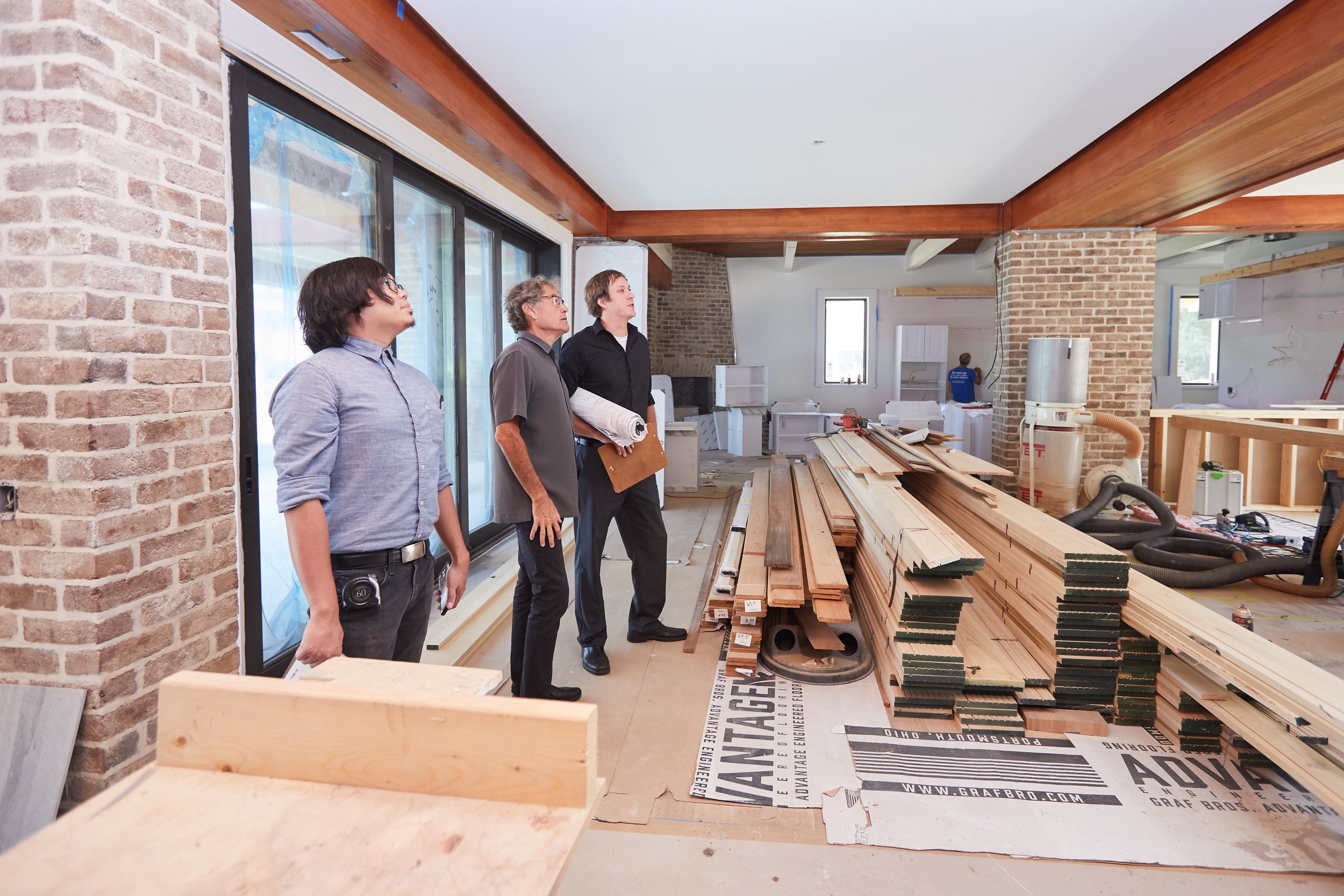
Tom Rhodes becomes certified as a Fortified Home Professional, adding to the firms expertise in designing for resilience. The IBHS FORTIFIED Home™ identifies the roof as the most important component in protecting your house. The first of three levels of certification is the FORTIFIED Roof.

The Architect’s Eye - Discoveries from our Travels
The Architect’s Eye, inspiration that we found in Portugal

What’ s a dogtrot?
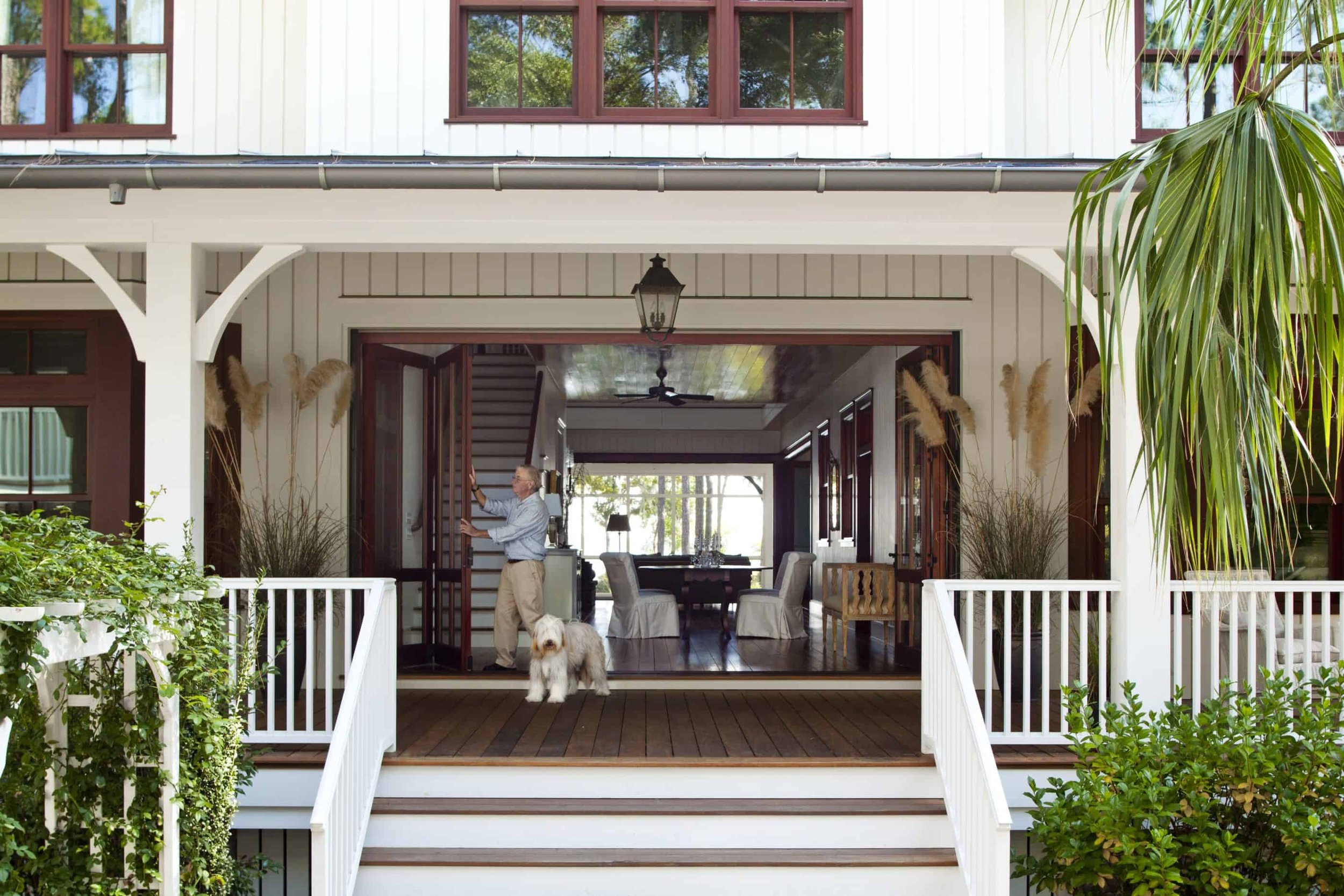
Also known as "two pens and a passage," the dogtrot is an early southern home design that meets today’s need for resiliency in hot and humid climates.


Lightning Protection
“Home and business owners needn’t take their chances with lightning,” explains Bud VanSickle, executive director of the Lightning Protection Institute (LPI). “A professionally installed lightning protection system which meets U.S. Safety Standards … will prevent lightning damage by providing a safe electrical path into the earth for lightning’s destructive energy.”