
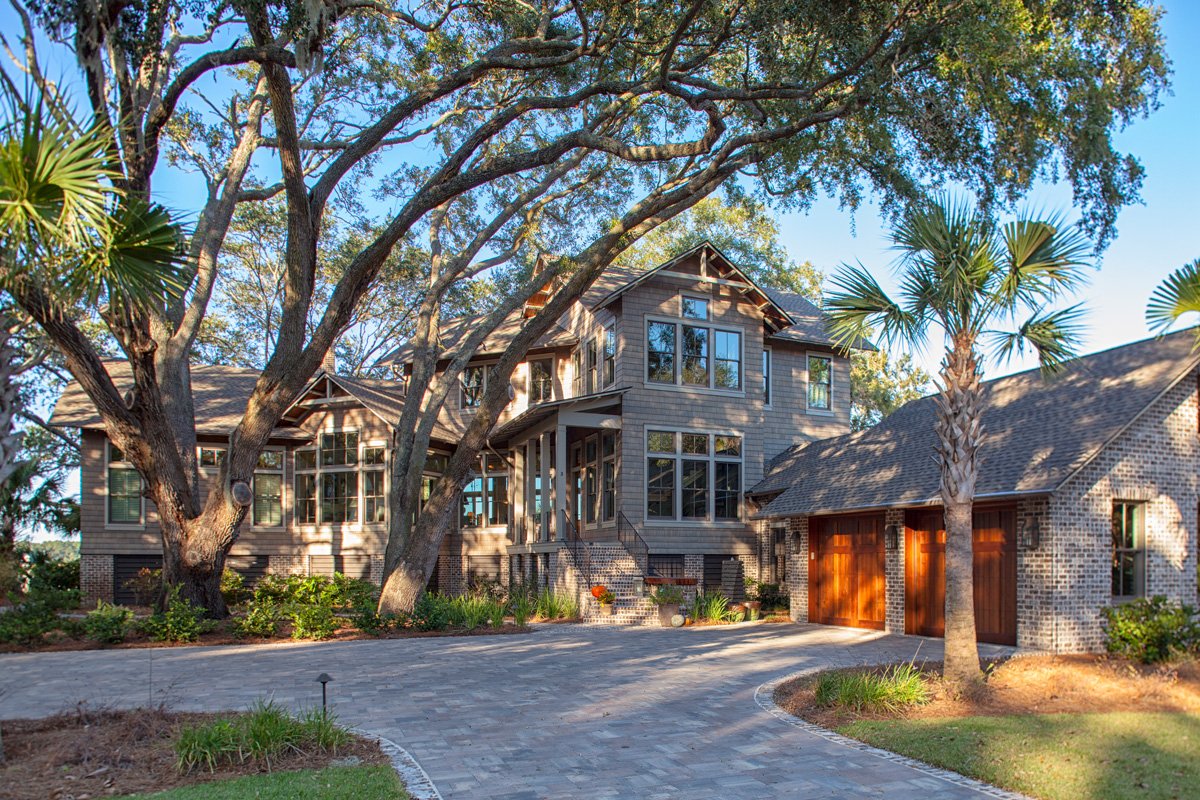
The lot looked like a loss. Several huge live oaks stood in the middle of a small site, and the realtors who knew it had written it off as unbuildable.
We saw it differently. We studied where each trunk stood and where the limbs spread, then designed the house to fit between the trees. The oaks that made the lot look impossible are now the house's setting. We named the project Gem Among the Trees.
That house is a good argument for realtors and architects talking early. A lot that looks unbuildable sometimes isn't. A lot that looks perfect sometimes is.
Two Ways of Reading a Property
Jane & Michael Frederick of Frederick + Frederick Architects recently sat down with a group of Lowcountry realtors to share what we've learned in more than 35 years of designing homes here. The conversation focused on spotting problems before a client commits, asking better questions, and knowing when to call an architect.
“A lot that looks unbuildable sometimes isn’t. A lot that looks perfect sometimes isn’t.”
Realtors know the market, the neighborhoods, and what their clients need. We look at the same property and ask how the site and the construction will hold up in this climate, and how both will affect the people who live there. In coastal South Carolina, those answers often decide whether a purchase works.
Looking Beyond the Listing
A beautiful lot isn't always a buildable lot. Setbacks, marsh critical lines, protected trees, septic requirements, and flood elevations all limit where a house can go and how much of the property is usable. Jane serves on the Beaufort County Zoning Board of Appeals, so she sees these limits from the other side of the table. Knowing them before closing saves buyers time, money, and frustration.
A house can show well and still perform poorly. Our hot, humid climate punishes problems a showing won't reveal. An oversized HVAC system cools the air without pulling the moisture out of it. An unconditioned crawl space lets damp air sit under the floor. Neither shows up on a walkthrough, and both get expensive.
Resilience belongs on the feature list. Wind resistance, flood protection, building materials, and construction methods determine how a house rides out a storm. FORTIFIED construction and backup power deserve a place on the list next to the kitchen finishes and the square footage.
How a house lives matters as much as how it looks. A west-facing porch may frame the sunset and still be unbearable on a July afternoon. A large house can have plenty of square footage and still lack the rooms a family needs. Orientation, shade, prevailing breezes, and careful planning shape everyday comfort.
These questions reach past the purchase. They shape a property's long-term value, its operating costs, and what an owner can do with it later.
Helping Buyers See What's Possible
For buyers planning a renovation, we help separate what looks possible from what is practical.
Can the house grow with a family? Is the kitchen a straightforward renovation, or does it mean moving structural walls? Would an addition make sense, or would reconfiguring the existing rooms accomplish the same goals?
An early conversation lets buyers see a property's limits before they buy on assumptions about what they'll change later.
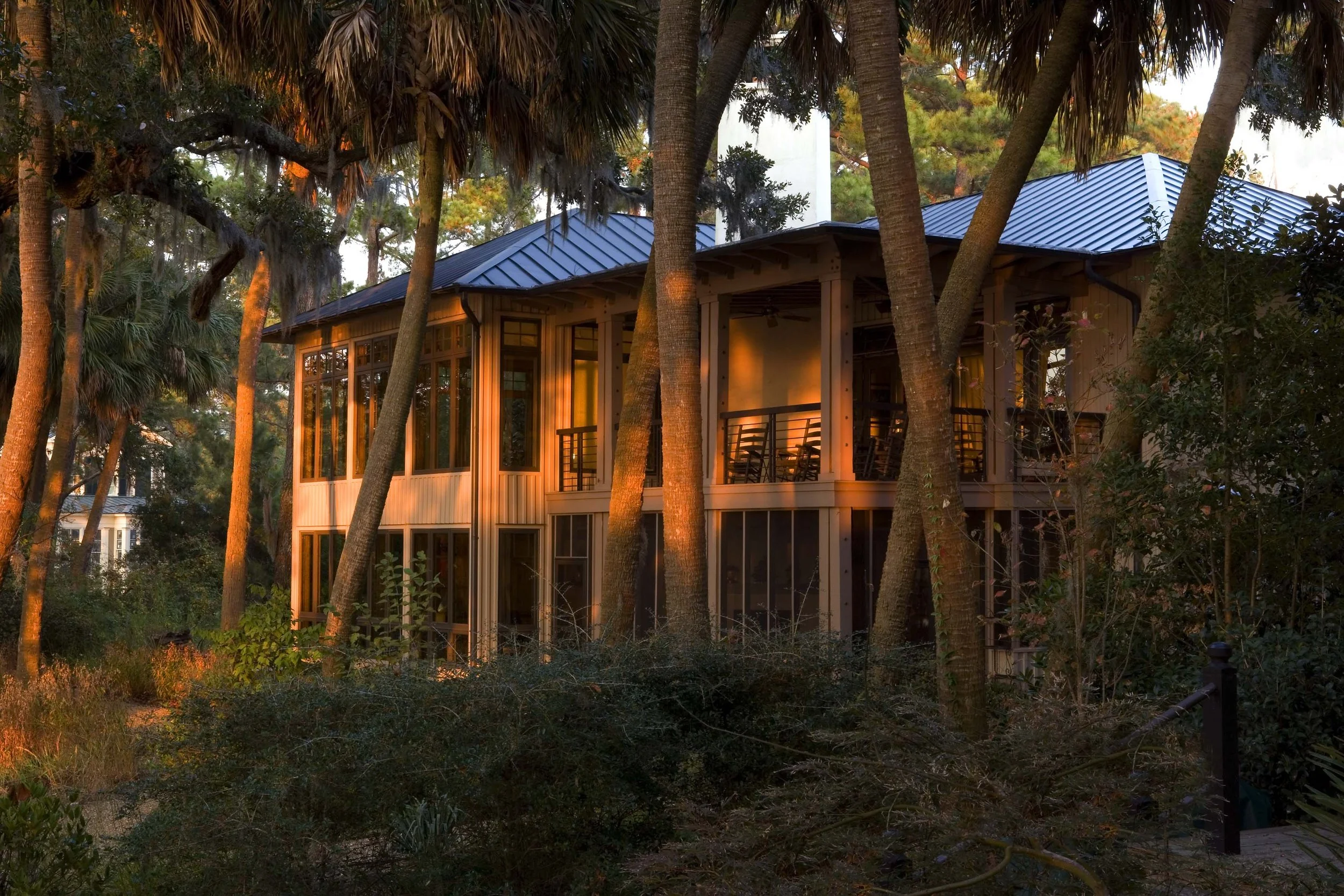
The same goes for land. We begin every project with a site study, a scaled drawing of the climate, geographic, legal, and infrastructure conditions that shape what a lot can hold. That kind of look is what turned a lot full of live oaks into Gem Among the Trees, and it can tell a buyer what building their house would really involve.
A Relationship That Serves Your Clients
Realtors don't need to become experts in building science or design. But an architect to call when questions come up adds another layer of service to the relationships they've already built.
Sometimes that call flags a concern. Sometimes it reveals a possibility, like a house tucked between live oaks on a lot everyone else had passed over.
An architect's perspective doesn't replace a home inspection, an engineering evaluation, or other due diligence. It helps identify the right questions and when to bring in more expertise.
At F+F Architects, we've spent more than 35 years learning what makes a house work in the Lowcountry, from how it meets its site to the details that keep it comfortable, efficient, and resilient. We're glad to share that with the realtors helping people find their place here.
After all, we'd much rather answer a five-minute question early than help untangle a six-month problem later.
We’d love to hear your story and talk through how this approach applies to your site.